A new GLO Discussion Paper using data for Italy suggests that focusing on education and labor policy, rather than labor flexibility, is the best way to smooth the transition from school to work.
The Global Labor Organization (GLO) is an independent, non-partisan and non-governmental organization that functions as an international network and virtual platform to stimulate global research, debate and collaboration.
Author Abstract: Purpose – There is a long period from completing studies to finding a permanent or temporary (but at least satisfactory) job in all European countries, especially in Mediterranean countries, including Italy. This paper aims to study the determinants of this duration and measure them, for the first time in a systematic way, in the case of Italy. Design/methodology/approach – This paper provides several measures of duration, including education level and other criteria. Furthermore, it attempts to identify the main determinants of the long Italian transition, both at a macroeconomic and an individual level. It tests for omitted heterogeneity of those who are stuck at this important crossroads in their life within the context of parametric survival models. Findings – The average duration of the school-to-work transition for young people aged 18–34 years was 2.88 years (or 34.56 months) in 2017. A shorter duration was found for the highly educated; they found a job on average 46 months earlier than those with compulsory education. At a macroeconomic level, the duration over the years 2004–2017 was inversely related to spending in the labour market policy and in education, GDP growth, and the degree of trade-union density; however, it was directly related to the proportion of temporary contracts. At the individual level, being a woman, a migrant, or living in a densely populated area in the South are the risk factors for remaining stuck in the transition. After correcting for omitted heterogeneity, there is clear evidence of positive duration dependence. Practical implications – Positive duration dependence suggests that focusing on education and labour policy, rather than labour flexibility, is the best way to smooth the transition. Originality – This study develops our understanding of the Italian STWT regime by providing new and detailed evidence of its duration and by studying its determinants.
Featured image: Photo-by-Jose-Antonio-Gallego-Vázquez-on-Unsplash-scaled
A new GLO Discussion Paper elaborates China’s consequential and ongoing economic demography transition strategy within the economic and development policy discourse.
The Global Labor Organization (GLO) is an independent, non-partisan and non-governmental organization that functions as an international network and virtual platform to stimulate global research, debate and collaboration.
Author Abstract: The first pandemic of the 21st century has brought Pyrrhic attention to one of the era’s greatest megatrends – population ageing. Today rich countries are disproportionately affected but increasingly the world’s elderly are residents of developing countries. In rich and poor countries alike, a policy approach that explicitly accounts for the interdependence of economic and demographic change – an economic demography transition approach – has never been more pressing. Thanks partly to the tragedy of history’s greatest Malthusian stagnation, that of mid-20th century China, Chinese policymakers implemented draconian population control measures alongside dramatic economic reforms from around 1980. This paper elaborates China’s consequential and ongoing economic demography transition strategy within the economic and development policy discourse. Amid epochal demographic, public health, and geo-economic change, this economic demography perspective is timely, unique and useful in extrapolation across all economies.
A new GLO Discussion Paper finds that the contribution of childhood circumstances to health inequality is larger in the USA than in China for self-rated health, mental health, and physical health.
The Global Labor Organization (GLO) is an independent, non-partisan and non-governmental organization that functions as an international network and virtual platform to stimulate global research, debate and collaboration.
Author Abstract: This paper estimates the extent to which childhood circumstances contribute to health inequality in old age and evaluates the importance of major domains of childhood circumstances to health inequalities in the USA and China. We link two waves of the China Health and Retirement Longitudinal Study (CHARLS) in 2013 and 2015 with the newly released 2014 Life History Survey (LHS), and two waves of the Health and Retirement Study (HRS) in 2014 and 2016 with the newly released 2015 Life History Mail Survey (LHMS) in the USA, to quantify health inequality due to childhood circumstances for which they have little control. Using the Shapley value decomposition approach, we show that childhood circumstances may explain 7-16 percent and 14-30 percent of health inequality in old age in China and the USA, respectively. Specifically, the contribution of childhood circumstances to health inequality is larger in the USA than in China for self-rated health, mental health, and physical health. Examining domains of childhood circumstance, regional and rural/urban status contribute more to health inequality in China, while family socioeconomic status (SES) contributes more to health inequality in the USA. Our findings support the value of a life course approach in identifying the key determinants of health in old age. Distinguishing sources of health inequality and rectifying inequality due to early childhood circumstances should be the basis of policy promoting health equity.
A new GLO Discussion Paper using data from Bangladesh finds that both mothers’ and fathers’ risk, time and social preferences are significantly (and largely to the same degree) positively correlated with their children’s economic preferences. Families cluster in those with either relatively patient, risk-tolerant and pro-social members or in families with relatively impatient, risk averse and spiteful members.
The Global Labor Organization (GLO) is an independent, non-partisan and non-governmental organization that functions as an international network and virtual platform to stimulate global research, debate and collaboration.
GLO FellowsShyamal Chowdhury, Matthias Sutter & Klaus F. Zimmermann
Shyamal Chowdhury
Matthias Sutter
Klaus F. Zimmermann
Author Abstract: Economic preferences are important for lifetime outcomes such as educational achievements, health status, or labor market success. We present a holistic view of how economic preferences are related within families. In an experiment with 544 families (and 1,999 individuals) from rural Bangladesh we find a large degree of intergenerational persistence of economic preferences. Both mothers’ and fathers’ risk, time and social preferences are significantly (and largely to the same degree) positively correlated with their children’s economic preferences, even when controlling for personality traits and socio-economic background data. We discuss possible transmission channels for these relationships within families and find indications that there is more than pure genetics at work. Moving beyond an individual level analysis, we are the first to classify a whole family into one of two clusters, with either relatively patient, risk-tolerant and pro-social members or relatively impatient, risk averse and spiteful members. Socio-economic background variables correlate with the cluster to which a family belongs to.
The GLO Discussion Paper of the Month of June finds that existing cross-language variations among migrants from the same countries of originaffected human capital accumulation of second generation migrantsin the US.
Author Abstract: This research establishes empirically that existing cross-language variations in the structure of the future tense and the presence of grammatical gender affected human capital accumulation. Exploiting variations in the dominant languages among migrants from the same countries of origin, the study explores the impact of these traits on the educational attainment of second generation migrants in the US. The results suggest that college attendance among individuals with identical ancestry is (i) higher if the dominating language at home has a periphrastic future tense, and (ii) lower for women exposed predominantly to sex-based grammatical gender.
GLO DP Team Senior
Editors: Matloob Piracha (University of Kent) & GLO; Klaus F.
Zimmermann (UNU-MERIT, Maastricht University and Bonn University). Managing Editor: Magdalena Ulceluse, University of Groningen. DP@glabor.org
A new GLO Discussion Paper using data from India reveals that enrolling in a selective college affects cognition, preferences and personality.
The Global Labor Organization (GLO) is an independent, non-partisan and non-governmental organization that functions as an international network and virtual platform to stimulate global research, debate and collaboration.
Author Abstract: We exploit the variation in admission cutoffs across colleges at a leading Indian university to estimate the causal effects of enrolling in a selective college on cognitive attainment, economic preferences, and Big Five personality traits. Using a regression discontinuity design, we find that enrolling in a selective college improves university exam scores of the marginally admitted females, and makes them less overconfident and less risk averse, while males in selective colleges experience a decline in extraversion and conscientiousness. We find differences in peer quality and rank concerns to be driving our findings.
A new GLO Discussion Paper examines how work norms affect Social Security Disability Insurance (SSDI) take-up rates in response to worsening economic conditions focusing on immigrants in the US and their work norms determined in the home country. Receiving SSDI is more sensitive to economic downturns among immigrants from countries where people place less importance on work.
The Global Labor Organization (GLO) is an independent, non-partisan and non-governmental organization that functions as an international network and virtual platform to stimulate global research, debate and collaboration.
Author Abstract: We examine how work norms affect Social Security Disability Insurance (SSDI) take-up rates in response to worsening economic conditions. By focusing on immigrants in the US, we can consider the influence of work norms in a person’s home country, which we argue are exogenous to labor market prospects in the US. We find that the probability of receiving SSDI is more sensitive to economic downturns among immigrants from countries where people place less importance on work. We also provide evidence that this result is not driven by differential sensitivities to the business cycle or differences in SSDI eligibility.
A new GLO Discussion Paper suggests that temporary migration policies may have beneficial impacts on immigrants’ sleep in the short-term.
The Global Labor Organization (GLO) is an independent, non-partisan and non-governmental organization that functions as an international network and virtual platform to stimulate global research, debate and collaboration.
Author Abstract: Stress is associated with sleep problems. And poor sleep is linked with mental health and depression symptoms. The stress associated with immigrant status and immigration policy can directly affect mental health. While previous studies have documented a significant relationship between immigration policy and the physical and mental health of immigrants, we know little about the effects that immigration policy may have on immigrants’ sleep patterns. Exploiting the approval of the Deferred Action for Childhood Arrivals (DACA) in 2012, we study how immigrants’ sleep behavior responds to a change in immigration policy. Consistent with previous research documenting positive effects of DACA on mental health, we find evidence of a significant improvement in immigrants’ sleep in response to this policy change. However, the estimated effects of the policy quickly disappear since 2016. While temporary authorization programs, such as DACA, may have beneficial impacts on immigrants’ sleep in the short-term, the effects of temporary programs can be rapidly undermined by the uncertainty on their future. Thus, permanent legalization programs may be more effective in achieving long-term effects, eliminating any uncertainty related to the undocumented immigrant legal status.
The rising rivalry between China and the US generates concerns around the world (timeline U.S. relations with China). In his new book (China versus the US. Who will prevail?), Alfredo Toro Hardy (Venezuelan Scholar and Diplomat) provides an insightful analysis of open questions and mysteries drawing from his life-long experience as a diplomat. In the interview below, he addresses some of the issues of concern.
New book! Alfredo Toro Hardy (Venezuelan Scholar and Diplomat): China versus the US. Who will prevail? 2020, World Scientific, 304 Pages. MORE INFORMATION.
Some core messages of the interview:
None will be ready to yield to the other.
The Chinese have made their aims more difficult to attain.
China would not accept to subordinate itself indefinitely to America’s leadership in its own part of the world.
Although the US possesses overall technological superiority, China will be able to match it or surpass it in a group of key technologies.
America’s democratic but utterly dysfunctional political system is being globally compared to China’s authoritarian but responsive one. There is no doubt that for many the latter results more attractive.
While globalization has allowed China to lift 800 million people out of poverty, nationalism identifies itself with the belief that the country’s ancient history and its tradition of centrality entitles it to a position of privilege.
Technological human displacement is not privative to China.
The confrontation between China and the US has become structural and not simply conjectural.
GLO Fellow Alfredo Toro Hardy, Venezuelan Scholar and Diplomat, is a former Ambassador of the Bolivarian Republic of Venezuela to the US, UK, Spain, Brazil, Chile, Ireland and Singapore.
GLO: Why has US-China competition become inevitable?
Alfredo Toro Hardy: Both countries perceive themselves as pinnacles within human history. The Middle Kingdom and the Exceptional Nation feel entitled to leadership by history or providence. Both look at the future under the lenses of their national myths. Under those circumstances none will be ready to yield to the other. Specially so as the gap in their comprehensive national power is rapidly closing.
GLO:Was China challenging the US too early?
Alfredo Toro Hardy: There seems to be no doubt that by speeding times, heralding their ambitions and boasting about their capabilities, while at the same time hardening their geopolitical and military stance, the Chinese have made their aims more difficult to attain. They have created for themselves many unnecessary problems. However, for a county as obsessed as China in continuously measuring its comprehensive national power, it would seem to be out of context to have provoked U.S. reaction if they have felt unprepared for a measurement of forces.
GLO: The obvious US response would be a long-term containment policy of China. How could this work?
Alfredo Toro Hardy: A long-term containment of China by the United States, would be the latter’s preferred option. Specially so, given the final success of this policy in relation to the Soviet Union. However, there is a big difference in both cases. During the Cold War, neither the Americans nor the Soviets challenged each other’s main spheres of influence (Cuba excepted, and this almost led to war). The contrast with the current situation is notorious. The United States’ containment of China not only includes Taiwan (which China considers to be an integral part of its territory) but takes place in an area that for millennia was a tributary dependent region of China. China would not accept to subordinate itself indefinitely to America’s leadership in its own part of the world.
GLO:You seem to suggest that China has the better cards to win the competition for world leadership, why?
Alfredo Toro Hardy: Although the United States still prevails in military, economic and technological capabilities, reverse trend in motion favor China. Economically, China’s ascendancy and its surpassing of the US seems inevitable. Militarily, China’s asymmetric power has the capacity to neutralize much of the current US superiority, while the inversely evolving budgetary capability of both countries will clearly play in favor of China. Moreover, America’s superiority in nuclear weapons may prove to be more theoretical than real if China’s overwhelming advantage in conventional ballistic missiles can match the US tactical nuclear capability, while China’s second-strike capacity can deter an American first strike. Finally, although the US possesses overall technological superiority, China will be able to match it or surpass it in a group of key technologies. On the other hand, China’s emphasis on strategically oriented basic research outweighs America’s market oriented applied research.
GLO:Globalism is under thread anyway. There is a global tendency to strengthen nationalism and autocratic regimes. A good time to popularize the Chinese model?
Alfredo Toro Hardy: Contrary to the Cold War with the USSR, America’s emerging Cold War with China is not based in ideology but in the efficiency that both countries’ models can exhibit. If we measure such efficiency by the handling of the Covid 19 pandemic, a clear difference emerges. Although the initial lack of transparency by China had a great impact in the global diffusion of the Coronavirus (and this certainly plays against its model), the extraordinary efficiency shown by this country in the domestic containment of the virus grossly contrasts with the botched response by the United States. America’s democratic but utterly dysfunctional political system is being globally compared to China’s authoritarian but responsive one. There is no doubt that for many the latter results more attractive.
GLO:In the Chinese understanding, there is complementarity of nationalism and globalization. What is the explanation?
Alfredo Toro Hardy: Chinese culture includes the complementary of opposites as exemplified by the duality of yin and yang. Within that context, globalization (so far synonymous of economic prosperity) and nationalism are seen as interdependent expressions of state policy, which converge in the aim of legitimizing the regime in the eyes of its citizens. While globalization has allowed China to lift 800 million people out of poverty, nationalism identifies itself with the belief that the country’s ancient history and its tradition of centrality entitles it to a position of privilege. Moreover, a century of humiliation by foreign powers impose the need to stand tall. This dual policy has been conceptualized under the aphorism of “grabbing with the two hands”. However, keeping the equilibrium between these forces is a daunting task. One false step, one overreach, one overreaction and everything might be blown to pieces.
GLO:Unlike the US, China’s future is burdened with its demographic problems (ageing, immigration pressure) and the need to achieve welfare increases through international trade, e.g. by importing necessary food. Is this not a challenge for the Chinese ambitions?
Alfredo Toro Hardy: With a rapidly aging population, as a result of the combination of low fertility rate and rising life expectancy, technology becomes a providential answer to the country’s quest to attain its “rejuvenation” –a nationalistic catchword that glues together the Chinese Communist Party and the Chinese population. Technology and rejuvenation thus become inseparable notions. Under those circumstances the search of economic prosperity and nationalism, the two strongest legitimizing forces of the regime, blend in their support to technology. However, even if technology “rejuvenate” the country it also displaces human labor and can significantly affect the welfare of many segments of society. Technological human displacement, though, is not privative to China. On the contrary, it is in the process of becoming one of the world’s biggest challenges of the Twenty First century. For the US, with a much larger percent of relay population and a lack of unifying national banners, this may lead to a more complex situation than China’s.
GLO:What role can the results of the forthcoming US Presidential elections play for the next phase of the US-China competition?
Alfredo Toro Hardy: I am afraid that a change in the White House may not change much. The confrontation between China and the US has become structural and not simply conjectural. Xi Jinping pursues fenfa youwei, meaning the attainment of great aims. This translates into a position of leadership in world affairs and a redefinition of its geopolitical footprint in Asia. For the United States this represents an unacceptable challenge to its leadership. In the same manner in which an expansive Chinese nationalism upholds Xi’s aims, a wide domestic coalition and an anti China popular sentiment sustain America’s reaction to that country’s assertiveness. Under those circumstances, Trump’s departure from the White House would only bring down Washington’s circus show, but not the emerging Cold War.
************* With Alfredo Toro Hardy spoke Klaus F. Zimmermann, GLO President.
A new GLO Discussion Paper using large-scale firm data for Denmark finds that government aid was effective in preserving job matches at the start of the Covid-19 pandemic.
The Global Labor Organization (GLO) is an independent, non-partisan and non-governmental organization that functions as an international network and virtual platform to stimulate global research, debate and collaboration.
Author Abstract: We analyze the impact of the COVID-19 pandemic and government policies on firms’ aid takeup, layoff and furlough decisions. We collect new survey data for 10,642 small, medium and large Danish firms, and match to government records of all aid-supported furloughed workers during the pandemic as well as administrative accounting data. This is the first representative sample of firms reporting the pandemic’s impact on their revenue and labor choices, showing a steep decline in revenue and a strong reported effect of labor aid take-up on lower job separations. Relative to a normal year, 30 percent more firms have experienced revenue declines. Comparing firms’ actual layoff and furlough decisions to their reported counterfactual decisions in the absence of aid, we estimate 81,000 fewer workers were laid off and 285,000 workers were furloughed. Our results suggest the aid policy was effective in preserving job matches at the start of the pandemic.
TheGLO Virtual Seminar is a monthly internal GLO research event chaired by GLO Director Matloob Piracha hosted by the GLO partner institution University of Kent. The results are posted on the GLO website and the GLO News section, where also the Video of the presentation is posted. All GLO related videos are also available in the GLO YouTube channel. (To subscribe go there.)
Announcement: August 6, 2020; London/UKat 1-2 pm — Sergei Guriev, Sciences Po, Paris, and GLO The Political Economy of Populism Registration details will be provided in time.
A new GLO Discussion Paper finds that the inclusion of family workers more than triples the free female labor force participation rate in the 1860 Census of the USA, from 16 percent to 56 percent, which is comparable to today’s rate (57 percent in 2018).
The Global Labor Organization (GLO) is an independent, non-partisan and non-governmental organization that functions as an international network and virtual platform to stimulate global research, debate and collaboration.
Author Abstract: Rates of labor force participation in the US in the second half of the nineteenth century among free women were exceedingly (and implausibly) low, about 11 percent. This is due, in part, to social perceptions of working women, cultural and societal expectations of female’s role, and lack of accurate or thorough enumeration by Census officials. This paper develops an augmented free female labor force participation rate for 1860. It is calculated by identifying free women (age 16 and older) who were likely providing informal and unenumerated labor for market production in support of a family business, that is, unreported family workers. These individuals are identified as not having a reported occupation, but are likely to be working on the basis of the self-employment occupation of other relatives in their households. Family workers are classified into three categories: farm, merchant, and craft. The inclusion of this category of workers more than triples the free female labor force participation rate in the 1860 Census, from 16 percent to 56 percent, which is comparable to today’s rate (57 percent in 2018).
A new GLO Discussion Paper suggests that following the EU Referendum Results on Brexit Non-EU migrants experienced an improvement in both mental health and life satisfaction relative to the UK natives.
The Global Labor Organization (GLO) is an independent, non-partisan and non-governmental organization that functions as an international network and virtual platform to stimulate global research, debate and collaboration.
Author Abstract: This paper is the first attempt to analyze the effect of the Brexit Referendum results on subjective well-being of immigrants living in the UK. Using the national representative UK Household Longitudinal Study (Understanding Society) data and adopting a difference-in-differences estimates, we define natives as control group, and different sub-groups of immigrants as treatment groups. The current analysis suggests that following the EU Referendum Results Non-EU migrants experienced an improvement in both mental health and life satisfaction relative to the UK natives. The results are robust to several robustness checks. Among others, we account for unobserved individual fixed effects and for unbalanced panel data. The results are consistent with the idea that the end of free movement for EU immigrants has alleviated the sense of discrimination and frustration felt by Non-EU immigrants results mainly of the toughened visa restrictions enforced since 2010 by the UK Government.
A new GLO Discussion Paper finds that Covid-19 has induced a decline in business ownership in Canada.
The Global Labor Organization (GLO) is an independent, non-partisan and non-governmental organization that functions as an international network and virtual platform to stimulate global research, debate and collaboration.
Author Abstract: Using the Canadian Labour Force Survey, we document the short-term impact of COVID-19 on self-employed individuals in Canada, which we interpret as small business owners. We document an important decrease in business ownership between February 2020 and May 2020 (-14.8 percent for incorporated and -10.1 percent for unincorporated entities). We find a greater decrease in ownership and aggregate hours for women, immigrants and less educated over the same period. The industries with the largest decrease are in art, culture, and recreation (-14.8 percent); in education, law and social, community and government services (-13.6 percent); and in sales and service occupations (-12.8 percent).
School of Public Health, Peking Union Medical College
Meinian Public Health Research Institute, Peking University Health Science Center
Geocomputation Center for Social Sciences, Wuhan University
School of Public Health, Huazhong University of Science and Technology
School of Medicine and Health Management, Huazhong University of Science and Technology
School of Public Health, Central South University
School of Public Health, Guangxi Medical University
School of Health Policy and Management, Nanjing Medical University
School of Health Care Management, Shandong University
School of Public Policy and Administration, Xi’an Jiaotong University
School of Public Health, Southern Medical University
School of Public Health, Guizhou Medical University
School of Public Health, Guangdong Pharmaceutical University
Institute of Health Education and Lifecourse Promotion (iHELP)
9:00-11:00 PM, July 9, 2020
I. Overview (in Chinese)
An Overview of Models for COVID-19 Pandemic, Perter Song, University Michigan
An Overview of Data and Resources for COVID-19 Modeling, Tao Hu, Harvard University
Discussants:
Qiushi Chen, Penn State University
Chaowei Yang, George Mason University
Chair: Harry Zhang, Old Dominion University
9:00-11:00 PM, July 16, 2020
II. Methodology (in Chinese)
Peng Gong, Tsinghua University
Jian Ni, Johns Hopkins University
Discussants:
Shiyong Liu, Southwest University of Finance and Economics
Mingwang Shen, Xian Jiaotong University
Chair: Jian Wang, Wuhan University
9:00-11:00 PM, July 23, 2020
III.Applications (in English)
Xi Chen, Yale University
Winnie Chi-Man Yip, Harvard University
Discussants:
Yiwei Chen, Stanford University
Liming Cai, U.S. Centers for Medicare & Medicaid Services
Chair: Mengxi Zhang, Ball State University
9:00-11:00 PM, July 30, 2020
IV. Predictions, Role of Intervention and the Historic National Lockdown in India(in English)
Bhramar Mukherjee, Debashree Ray, Maxwell Salvatore, Rupam Bhttacharyya, University of Michigan
Discussant:
Yanfang Su, University of Washington
Chair: Lizheng Shi, Tulane University
Background:
As a joint effort by scholars and professionals from the Center for Geographical Analysis at Harvard University, the Geo-Computation Center for Social Sciences at Wuhan University, the China Data Institute, the Spatiotemporal Innovation Center at George Mason University, RMDS Lab, and some other institutions, an initiative on “Resources for COVID-19 Study” was sponsored by the China Data Lab project (http://chinadatalab.net). The objectives of this project are: (1) to provide data support for the spatial study of COVID-19 at local, regional and global levels with information collected and integrated from different sources; (2) to facilitate quantitative research on spatial spreading and impacts of COVID-19 with advanced methodology and technology; (3) to promote collaborative research on the spatial study of COVID-19 on the China Data Lab, Dataverse and WorldMap platforms; and (4) to build research capacity for future collaborative projects. This forum will discuss data resources, methodology, technology, and applications for COVID-19 models across countries and regions.
A new GLO Discussion Paper finds that Covid-19 lockdowns have affected happiness across countries (South Africa, New Zealand, and Australia) strongly: The more stringent stay-at-home regulations are, the greater the negative effect.
The Global Labor Organization (GLO) is an independent, non-partisan and non-governmental organization that functions as an international network and virtual platform to stimulate global research, debate and collaboration.
Author Abstract: Since the start of the Covid-19 pandemic, many governments have implemented lockdown regulations to curb the spread of the virus. Though lockdowns do minimise the physical damage of the virus, there may be substantial damage to population well-being. Using a pooled dataset, this paper analyses the causal effect of mandatory lockdown on happiness in three very diverse countries (South Africa, New Zealand, and Australia), regarding population size, economic development and well-being levels. Additionally, each country differs in terms of lockdown regulations and duration. The main idea is to determine, notwithstanding the characteristics of a country or the lockdown regulations, whether a lockdown negatively affects happiness. Secondly, we compare the effect size of the lockdown on happiness between these countries. We make use of Difference-in-Difference estimations to determine the causal effect of the lockdown and Least Squares Dummy Variable estimations to study the heterogeneity in the effect size of the lockdown by country. Our results show that, regardless of the characteristics of the country, or the type or duration of the lockdown regulations; a lockdown causes a decline in happiness. Furthermore, the negative effect differs between countries, seeming that the more stringent the stay-at-home regulations are, the greater the negative effect.
A new GLO Discussion Paper reviews the evidence in the economics literatureto reveal that forced displacement has hardly any negative impact on host communities.
The Global Labor Organization (GLO) is an independent, non-partisan and non-governmental organization that functions as an international network and virtual platform to stimulate global research, debate and collaboration.
Author Abstract: The paper reviews the literature that estimated the impact of forced displacement on host communities. A comparative analysis of the empirical models used in 59 studies and a meta-analysis of 972 results collected from these studies are the main contributions of the paper. Coverage extends to 19 major forced displacement crises that occurred between 1922 and 2018, high, medium and low-income host countries and different types of forced migrants. Results refer to outcomes related to employment, wages, prices and household well-being. The meta-analysis finds that most results on employment and wages are non-significant. When significant, decreases in employment and wages are more likely to occur than increases with decreases strongly associated with the short-term, middle-income countries, females, young and informal workers. Food and rent prices tend to increase in the short-term. The probability of observing a decrease in household well-being among hosts is lower than 1 in 5.
A new GLO Discussion Paper provides new evidence for the USA on the effect of adolescent health behaviors/outcomes (obesity, depression, smoking, and attention deficit hyperactivity disorder (ADHD)) on schooling attainment using the National Longitudinal Study of Adolescent to Adult Health.
The Global Labor Organization (GLO) is an independent, non-partisan and non-governmental organization that functions as an international network and virtual platform to stimulate global research, debate and collaboration.
GLO FellowsJere Behrman, Carlos Flores & Alfonso Flores-Lagunes
Alfonso Flores-Lagunes
Author Abstract: We provide new evidence on the effect of adolescent health behaviors/outcomes (obesity, depression, smoking, and attention deficit hyperactivity disorder (ADHD)) on schooling attainment using the National Longitudinal Study of Adolescent to Adult Health. We take two different approaches to deal with omitted variable bias and reverse causality. Our first approach attends to the issue of reverse causality by using health polygenic scores (PGSs) as proxies for actual adolescent health. Second, we estimate the effect of adolescent health using sibling fixed-effects models that control for unmeasured genetic and family factors shared by siblings. We use the PGSs as additional controls in the sibling fixed-effects models to reduce concerns about residual confounding from sibling-specific genetic differences. We find consistent evidence across both approaches that being genetically predisposed to smoking and smoking regularly in adolescence reduces schooling attainment. We find mixed evidence for ADHD. Our estimates suggest that having a high genetic risk for ADHD reduces grades of schooling, but we do not find any statistically significant negative effects of ADHD on grades of schooling. Finally, results from both approaches show no consistent evidence for a detrimental effect of obesity or depression on schooling attainment.
Featured image: Photo-by-Element5-Digital-on-Unsplash
A new GLO Discussion Paper finds that the most affected in Tunisia are craftsmen, machine operators and elementary occupations in non-agricultural activities.
The Global Labor Organization (GLO) is an independent, non-partisan and non-governmental organization that functions as an international network and virtual platform to stimulate global research, debate and collaboration.
Author Abstract: While the Covid-19 pandemic had both health and economic effects in rich countries, the first wave impacted many developing countries’ mainly through its economic and social consequences. The objective of this paper is to perform a first-round assessment of the potential consequences on workers using the Tunisian labor force survey. Three main factors of vulnerability are investigated, the inability to work from home, being part of a non essential industry and working for the private sector. We find that the most affected are craftsmen, machine operators and elementary occupations in non-agricultural activities. The typically vulnerable worker is a young individual with low education, a man if self-employed and a woman with a temporary contract and lower earnings if wage-earner. When we take into account self-employed workers, the managers’ category becomes the most affected among high and medium skill occupations. When we look at regional effects, we unexpectedly find that the coastal regions (except the capital) are the most fragile. This is due to the fact that most of the manufacturing, tourism and international transport activities are located in coastal regions.
A new GLO Discussion Paper using data on a generous partial retirement reform in Germanysupports the notion of an intrinsic willingness of older individuals to acquire skills and abilities independent of financial incentives.
The Global Labor Organization (GLO) is an independent, non-partisan and non-governmental organization that functions as an international network and virtual platform to stimulate global research, debate and collaboration.
Author Abstract: Adult education can mitigate the productivity decline in aging societies if older workers are willing to learn. We examine a generous partial retirement reform in Germany that led to a massive increase in early retirement. Using county-level administrative data on voluntary education activities, we employ a difference-in-differences approach for identification. The estimates show a strong increase in participation in adult education, specifically in cognitively demanding courses, for early retirees who would have continued working in the absence of the reform. This supports the notion of an intrinsic willingness of older individuals to acquire skills and abilities independent of financial incentives.
Featured image: Photo-by-Kimberly-Farmer-on-Unsplash
A new GLO Discussion Paper studies the effect of the 2015 refugee crisis on the integrationof existing immigrants in Germany originating from Turkey and Middle- Eastern and North-African countries. They improved economically due to the increased demand for culturally similar goods and services induced by the new but culturally similar refugees, while their assimilation of German identity was unaffected.
The Global Labor Organization (GLO) is an independent, non-partisan and non-governmental organization that functions as an international network and virtual platform to stimulate global research, debate and collaboration.
Author Abstract: We apply difference-in-differences regressions to study the impact of the 2015 refugee crisis in Germany on the culturally closer diaspora of existing immigrants originating from Turkey and Middle- Eastern and North-African countries (TMENA). Our identification allows us to emphasize the role of immigrants’ culture in estimating immigration’s socio-economic impact. Additionally, we distinguish between the labor demand and labor supply effects associated with immigration, which enables us to reflect on the ambiguous labor market impact of immigration suggested in the existing literature. In particular, we find that TMENA immigrants experienced a substantial reduction in unemployment in 2015, consistent with the differential demand shock induced by refugees’ consumption of culturally similar goods and services. However, the unemployment effects dissipated starting in 2016, coinciding with refugees’ delayed yet incremental labor market integration. We also consider the social impact of the refugee crisis and find that while worries about immigration increased among all respondents, the increases were statistically significantly smaller among TMENA immigrants, primarily due to their cultural proximity to arriving refugees. Our results suggest that TMENA immigrants’ assimilation of German identity was unaffected by the refugee crisis.
Featured image: Photo-by-James-Beheshti-on-Unsplash
A new GLO Discussion Paper shows that the 2019 Austrian social assistance reform while cutting substantially social assistance benefits for migrants and families with children had only a small effect on total labor supply.
The Global Labor Organization (GLO) is an independent, non-partisan and non-governmental organization that functions as an international network and virtual platform to stimulate global research, debate and collaboration.
Author Abstract: Financial incentives affect the labour supply decisions of households, but typically the impact of such incentives varies significantly across household types. While there is a substantial literature on the labour supply effects of tax reforms and in-work benefits, the impact of changes in social assistance benefits has received less attention. This paper analyses the impact of the Austrian reform proposal ‘Neue Sozialhilfe’ (“New Social Assistance”), which was introduced in 2019 and substantially cut social assistance benefits for migrants and families with children. We show that the labor supply effects of these changes in social assistance differ substantially across household types. While women exhibit higher labor supply elasticities in our estimates, the overall effects of the reform are especially strong for men and migrants. Couples with children and migrants, i.e. the groups which were hit the hardest by the reform’s social assistance reductions, show the strongest labor supply reactions to the ‘New Social Assistance’. Furthermore, we show that overall the reform has a positive, but small, effect on the intensive margin of labor supply.
A new GLO Discussion Paper using a Roy-Rosen model to simulate the effects of the minimum wage for the Brazilian economy. The policy might be desirable if employment losses are concentrated in jobs characterized by low surplus.
The Global Labor Organization (GLO) is an independent, non-partisan and non-governmental organization that functions as an international network and virtual platform to stimulate global research, debate and collaboration.
Author Abstract: We study the effects of labor market policies using a bargaining model featuring compensating differentials (Rosen, 1986) and self-selection (Roy, 1951). The framework allows us to create a taxonomy of formal and informal employment. We use the model to estimate the effects of the minimum wage for the Brazilian economy using the “PNAD” dataset for the years 2001-2005. Our results suggest that, although the minimum wage generates unemployment and reallocation of labor to the informal sector, the policy might be desirable if the employment losses are concentrated in jobs characterized by low surplus.
A new GLO Discussion Paper empirically examines the influence of fintech innovation on bank fragility for 690 banks across 34 Sub Saharan African countries confirming its destabilizing impact.
The Global Labor Organization (GLO) is an independent, non-partisan and non-governmental organization that functions as an international network and virtual platform to stimulate global research, debate and collaboration.
Author Abstract: There is a momentous debate on the role played by financial technology (fintech) innovation in the fragility of the banking sector. Considering the importance of financial solidness, contradictory theoretical predictions and empirical evidence, the in-depth re-investigation of this relation is needed. Using data of 690 banks across 34 Sub Saharan African countries for the period 1999-2015 along with FGLS, GMM, Panel Threshold regression and PCA econometric method, this paper empirically examines the influence of fintech innovation on bank fragility. Mainly the destabilizing impact of fintech innovation is confirmed for our baseline investigation but later relativized with a stabilizing impact after a certain threshold. Moreover, the results highlight also that the macroeconomic environment is important in explaining bank fragility and suggested that public policy should take into account some specific destabilizing consequences on the banking system. Besides, the simultaneous hypothesis test of the innovation fragility nexus conditional to some relevant variables reveals that financial openness does matter while investment, commercial openness and monetary policy do not. Lastly, the comparative analysis validates our heterogeneity hypothesis; countries with the high size banking sector, colonialized by France and members of monetary union performs better than the others in terms of bank solidness. These results indicate that suitable fintech innovation policy even between the same regions could be rather different. Financial instability appeared also to increase bank fragility. This paper contributes to the limited literature on fintech innovation at both the macro and micro levels in sub-Saharan Africa.
The GLO Discussion Paper of the Month of May studies the effect of historical slavery on the African American family structure. It reveals that female single headship among African Americans is more likely in association with slavery in sugar plantations, since the extreme demographic and social conditions prevailing in the latter have persistently affected family formation patterns.
Author Abstract: We empirically assess the effect of historical slavery on the African American family structure. Our hypothesis is that female single headship among blacks is more likely to emerge in association not with slavery per se, but with slavery in sugar plantations, since the extreme demographic and social conditions prevailing in the latter have persistently affected family formation patterns. By exploiting the exogenous variation in sugar suitability, we establish the following. In 1850, sugar suitability is indeed associated with extreme demographic outcomes within the slave population. Over the period 1880-1940, higher sugar suitability determines a higher likelihood of single female headship. The effect is driven by blacks and starts fading in 1920 in connection with the Great Migration. OLS estimates are complemented with a matching estimator and a fuzzy RDD. Over a linked sample between 1880 and 1930, we identify an even stronger intergenerational legacy of sugar planting for migrants. By 1990, the effect of sugar is replaced by that of slavery and the black share, consistent with the spread of its influence through migration and intermarriage, and black incarceration emerges as a powerful mediator. By matching slaves’ ethnic origins with ethnographic data we rule out any influence of African cultural traditions.
GLO DP Team Senior
Editors: Matloob Piracha (University of Kent) & GLO; Klaus F.
Zimmermann (UNU-MERIT, Maastricht University and Bonn University). Managing Editor: Magdalena Ulceluse, University of Groningen. DP@glabor.org
A new GLO Discussion Paper shows for UK data that the rise of women in the top 1% is primarily accounted for by their greater increases (relative to men) in the number of years spent in full-time education.
The Global Labor Organization (GLO) is an independent, non-partisan and non-governmental organization that functions as an international network and virtual platform to stimulate global research, debate and collaboration.
Author Abstract: The share of women in the top 1% of the UK’s income distribution has been growing over the last two decades (as in several other countries). Our first contribution is to account for this secular change using regressions of the probability of being in the top 1%, fitted separately for men and women, in order to contrast between the sexes the role of changes in characteristics and changes in returns to characteristics. We show that the rise of women in the top 1% is primarily accounted for by their greater increases (relative to men) in the number of years spent in full-time education. Although most top income analysis uses tax return data, we derive our findings taking advantage of the much more extensive information about personal characteristics that is available in survey data. Our use of survey data requires justification given survey under-coverage of top incomes. Providing this justification is our second contribution.
Special COVID-19 webinar by GLO Southeast Asia LeadNiaz Asadullah on the human capital crisis caused by the pandemic in Bangladesh. Professor Asadullah will share his preliminary findings from a nationwide survey conducted in collaboration with the Brac Institute of Governance and Development.
COVID-19, Schooling and Learning in Bangladesh to be held on Thursday, June 25, 2020, from 3:00-4:30 pm (Bangladesh Standard Time). Please register in advance for this webinar: https://us02web.zoom.us/webinar/register/WN_ME2TqSIxRaah-ptfgHtFQg Please register early, participation slots are limited! You can also participate through our Facebook page
We would like to invite you to join the webinar where we will share the findings from our rapid research on
“COVID-19, Schooling and Learning: Study on Older Primary & Secondary Students in Bangladesh”
The education system in Bangladesh has always struggled to provide quality education to nearly 40 million children enrolled in schools. The ongoing COVID-19 pandemic has exacerbated this learning crisis as all educational institutions across the country have been closed for over two months with no immediate plans for reopening. Yet this pressing concern has received little national attention.
In our attempt to shed light on the issue of our future generation during the pandemic, we have conducted a nationwide phone survey of about 4,700 households using existing survey frame to document the disruption to learning activities and time allocation caused by the pandemic and to inform policy-makers on the effectiveness of their technology-driven initiatives.
In the webinar, our researcher Dr Niaz Asadullah, Professor of Economics, University of Malaya, will present the key findings of the study. Followed by the presentation, there will be a panel discussion and a Q&A session open to the participants.
A new GLO Discussion Paper determines the factors that could increase happiness in New Zealand during the pandemic to ensure rapid restoration of levels before the Covid-19 shock. Results show that the country is in an unhappy state which is lasting longer than predicted.
The Global Labor Organization (GLO) is an independent, non-partisan and non-governmental organization that functions as an international network and virtual platform to stimulate global research, debate and collaboration.
Author Abstract: This paper estimates Markov switching models with daily happiness (GNH) data from New Zealand for a period inclusive of the Covid-19 global health pandemic. This helps us understand the dynamics of happiness due to an external shock and provides valuable information about its future evolution. Furthermore, we determine the probabilities to transition between states of happiness and estimate the duration in these states. In addition, as maximizing happiness is a policy priority, we determine the factors that increase happiness, especially during the pandemic to ensure rapid restoration of happiness levels post the Covid-19 shock. The results show New Zealand is currently in an unhappy state which is lasting longer than predicted. To increase the happiness levels to pre-pandemic levels, policymakers could allow free mobility, create economic stimuli, and allow international travel between New Zealand and low-risk Covid-19 countries.
A new GLO Discussion Paper reveals that in the Greek economic crisis the relative position of households with unemployed members deteriorated sharply, while their contribution to aggregate poverty skyrocketed.
The Global Labor Organization (GLO) is an independent, non-partisan and non-governmental organization that functions as an international network and virtual platform to stimulate global research, debate and collaboration.
Author Abstract: The Greek economic crisis resulted in a decline in household disposable income by more than 40%. Even though all population groups lost income in absolute terms, some were substantially more severely hit by the crisis. The paper examines the effect of the crisis on the population shares, the mean incomes and the level of poverty of various population groups using SILC data for the period 2007-2016. The population is partitioned according to four criteria: socioeconomic group of the household head, presence of unemployed individuals in the household, age of the population member and household type. When “anchored” poverty lines and distribution-sensitive poverty indices are employed the level of poverty rises to incredibly high levels. When the poverty lines used are “relative”, the poverty rate does not change substantially but when distribution-sensitive indices are used the increase in poverty is very substantial. The most interesting results are related to the changes in the structure of poverty. The crisis was associated with a very substantial increase in unemployment. Unemployment protection in Greece was inadequate while there was no “benefit of last resort”. As a result, the relative position of households with unemployed members (and, especially, with unemployed heads) deteriorated sharply, while their contribution to aggregate poverty skyrocketed. Unlike what is often claimed in the Greek public discourse, the relative position of pensioner-headed households improved, although they also experienced a considerable decline in their living standards.
Completing a very successfulfirst cohort 2019-20, Global Labor Organization (GLO) invites interested young scholars to apply for participation in the
2020-21 GLO Virtual Young Scholars Program (GLO VirtYS)
Application deadline: August 20, 2020, 5 pm GMT PDF of this call
About
GLO: The Global Labor Organization
(GLO) is a global, independent, non-partisan and
non-governmental organization that has no institutional position. The GLO
functions as an international network and
virtual platform for researchers, policy makers, practitioners
and the general public interested in scientific research and its
policy and societal implications on global labor markets,
demographic challenges and human resources. These topics are defined broadly in
line with its Mission to embrace the global diversity of labor markets,
institutions, and policy challenges, covering advanced economies as well as
transition and less developed countries.
Program’s
Goal: In the spirit of
the GLO Mission, the GLO VirtYS program’s goal is to contribute to the
development of the future generation of researchers, who are committed to the creation
of policy-relevant research, are well equipped to work in collaboration with
policy makers and other stakeholders, and adhere to the highest standards of
academic integrity. This goal is achieved through the process of working on a
specific research paper within the duration of the program, which is 9 months.
Program’s
Advisory Board:
Jan van Ours, Professor of Applied Economics, Erasmus School of Economics Rotterdam, Netherlands, & Professorial Fellow, University of Melbourne, Australia
Marco Vivarelli, Professor at the Università Cattolica del Sacro Cuore in Milano and Director of the Department of Economic Policy
Le Wang, Chong K. Liew Chair and Professor & President’s Associates Presidential Professor, University of Oklahoma, USA
Klaus F. Zimmermann, Professor Emeritus, Bonn University, UNU-MERIT & President of GLO
GLO VirtYS Program Director:
Dr Olena Nizalova, Senior Research Fellow (Associate Professor) in Health Economics at the University of Kent and Director of the Q-StepProgram.
Program’s
Activities:
Virtual kick-off meeting of all the participants and Thematic Cluster advisors, who will be appointed by the participating Cluster leads to match closely participants’ research interests.
One-to-one activities with the Thematic Cluster Advisor will be agreed upon at the beginning of the scholarship period in an Individual Research Plan. These activities at a minimum shall include 2-3 virtual consultations, 1 review round of the completed research work and a discussion of the amendments (if needed) to follow up.
Provide a virtual platform for the GLO VirtYS program participants to present their findings and receive feedback from their peers and the GLO wider community.
The scholarship will conclude in June 2021, when the GLO Management Board will make a decision on whether to extend an invitation to the graduate of the GLO Virtual Scholar Program to join the organization as a GLO Fellow, based on the recommendation from their Thematic Cluster Advisors and evaluation of the GLO VirtYS Advisory Board.
Research
proposals are invited within one of the following GLO thematic clusters:
Involved: GLO Cluster Leads& the GLO VirtYS Program Director
Nick Drydakis
Almas Heshmati
Milena Nikolova
Olena Nizalova
Francesco Pastore
Kompal Sinha
Marco Vivarelli
Klaus F. Zimmermann
Benefits
to the GLO VYSP Scholars:
All GLO VirtYS program participants will be appointed GLO Affiliates, if they are not already, and receive a GLO Bio page.
GLO VirtYS program participants will be listed with pictures on the glabor.org website of the program.
Feedback on their research from leading researchers in the area of their interest.
Networking opportunities with researchers from other countries within the same area and beyond.
(Priority) access to GLO activities.
Interactions with the scholars of the cohort, program’s alumni, and the future cohorts.
Opportunity to promote own research via GLO channels.
Completed research paper ready for submission to the GLO Discussion Paper series.
Possibility of promotion to GLO Fellow after exceptional performance.
Eligibility
criteria:
Applicant must be either currently enrolled in a doctoral program or be within 2 years after graduation as evidenced by the letter from the degree awarding institution or a degree certificate.
Applicant must be at an advanced stage of the analysis of a specific research question within the corresponding GLO Thematic Cluster to which he/she is applying as evidenced by the submitted draft.
Applicant must be supported by a letter of endorsement from either one of the GLO Fellows or from the administration of one of the GLO supporting institutions.
The GLO Virtual Young Scholars will be selected by a Scientific Selection Committee consisting of the GLO VirtYS Program Director, GLO thematic cluster leads participating in the current year, and a member of the GLO Management Board.
The results of selection of the GLO VirtYS program will be posted on the GLO site www.glabor.org by September 20, 2020. Scholars will be notified via email. In the 2020-21 academic year we expect to select 5-7 scholars.
The final research paper should be submitted by June 30th, by 5 pm GMT.
Upon completion of the program and based on the quality of the produced research paper, some of the GLO VirtYS program graduates may be invited to become GLO Fellows and their paper accepted as a GLO Discussion Paper.
Evaluation
criteria for applications:
Research excellence (50 points)
Policy relevance of the research question in a local and/or global context (25 points).
Potential for capacity development (25 points; preference will be given to the applicants for which the GLO Young Scholars Program can bring the highest capacity development, compared to what the applicant would have achieved without being a GLO Young Scholar)
Application procedure:
Many
applicants apply in the last days before the submission deadline. To avoid last
minute problems, we ask applicants to
apply in advance. Applications received after the deadline or applications that
do not meet the requirements set out below will not be accepted.
To apply
please complete the online application form with three attachments:
1. Research proposal (maximum 2 pages including references, single-spaced, font size 12) should include the following information:
Formulation of the problem/ research question.
Research methodology (data and empirical approach).
(Potential) Practical/Policy implications.
Reference list.
2. 2-page CV
3. Transcript from the doctoral program or doctoral degree certificate
4. Letter of endorsement for the candidate and the research proposal from either one of the GLO fellows or from the administration of one of the GLO supporting institutions reflecting on the potential of the candidate to benefit from the Program and the merits of the research proposal.
A new GLO Discussion Paper finds for Canada that remote work on a large scale does not lead to family violence.
The Global Labor Organization (GLO) is an independent, non-partisan and non-governmental organization that functions as an international network and virtual platform to stimulate global research, debate and collaboration.
Author Abstract: We study the impacts of COVID-19 on domestic violence and family stress. Our empirical analysis relies on a unique online survey, the Canadian Perspective Survey Series, which allows us to investigate the mechanisms through which COVID-19 may affect family stress and domestic violence. We find no evidence that changes in work arrangements are related to self-reported levels of family stress and violence in the home due to confinement, suggesting that remote work on a large scale does not lead to family violence. In contrast, we find that the inability to meet financial obligations and maintaining social ties significantly increase reported family stress and domestic violence. These findings are consistent with two alternative mechanisms: social isolation and decreased bargaining power for women. Last, we provide suggestive evidence that receiving financial relief does not mitigate the effect of financial worries on domestic violence and family stress. We conclude that targeted programs supporting victims of domestic violence may be more effective.
A new GLO Discussion Paper reviews key contributions to econometric analysis of human fertility in the last 20 years.
The Global Labor Organization (GLO) is an independent, non-partisan and non-governmental organization that functions as an international network and virtual platform to stimulate global research, debate and collaboration.
Author Abstract: This paper reviews some key contributions to econometric analysis of human fertility in the last 20 years, with special focus on discussion of prevailing econometric modeling strategies. We focus on the literature that highlights the role of the key drivers of the birth outcomes, including age at entry into motherhood, the number of children, and the time between births. Our overall approach is to highlight the use of single equation reduced form modelling, which has important advantages but has the limitation of typically being unable to shed light on detailed causal mechanisms through which exogenous factors such as birth control and infant mortality, and policy variables such as child allowances and tax incentives, impact fertility. Structural models that embed causal mechanisms explicitly are better suited for this objective. We start with a description of the subject matter, including a brief review of existing theories of fertility behavior and a detailed discussion of the sources of data that are available to the analyst. At this point we stress the intrinsic dynamic nature of fertility decisions and how such dynamics create data with empirical features that pose important challenges for modelling. Once the nature of the problem and the characteristics of the data are spelled out, we proceed to review the different econometric approaches that have been used for modelling fertility outcomes with cross-section and panel data.
On June 20 is World Refugee Day declared by the United Nations to raise awareness COVID-19 has replaced the refugee topic from the top ranks of the World’s challenges, but it is still there. UNHCR has published last Thursday its Global Report 2019 on the world-wide refugee situation. UNHCR Figures at a Glance:
This was all before COVID-19. The pandemic has made the situation much more dramatic, in many ways. Researchers can contribute in the long-run through studies on the sources of conflict, on the way to successfully integrate refugees into host and new home countries, and helping to develop proper policy responses.
Refugee workers start low and adjust slowly to the wages of comparable natives. The innovative approach in this study using unique Swedish employer-employee data shows that the observed wage gap between established refugees and comparable natives is mainly caused by occupational sorting into cognitive and manual tasks. Within occupations, it can be largely explained by differences in work experience. The identification strategy relies on a control group of matched natives with the same characteristics as the refugees,using panel data for 2003–2013 to capture unobserved heterogeneity.
Household consumption surveys do not typically cover refugee populations, and poverty estimates for refugees are rare. This paper tests the performance of cross-survey imputation methods to estimate poverty for a sample of refugees in Chad, by combining United Nations High Commissioner for Refugees survey and administrative data. The proposed method offers poverty estimates based on administrative data that fall within a 95 percent margin of poverty estimates based on survey consumption data. This result is robust to different poverty lines, sets of regressors, and modeling assumptions of the error term. The method outperforms common targeting methods, such as proxy means tests and the targeting method currently used by humanitarian organizations in Chad.
A new GLO Discussion Paper finds that existing cross-language variations among migrants from the same countries of originaffected human capital accumulation of second generation migrantsin the US.
The Global Labor Organization (GLO) is an independent, non-partisan and non-governmental organization that functions as an international network and virtual platform to stimulate global research, debate and collaboration.
Author Abstract: This research establishes empirically that existing cross-language variations in the structure of the future tense and the presence of grammatical gender affected human capital accumulation. Exploiting variations in the dominant languages among migrants from the same countries of origin, the study explores the impact of these traits on the educational attainment of second generation migrants in the US. The results suggest that college attendance among individuals with identical ancestry is (i) higher if the dominating language at home has a periphrastic future tense, and (ii) lower for women exposed predominantly to sex-based grammatical gender.
A new GLO Discussion Paper finds for the US that firms statistically discriminate workers based on race when employer learning is asymmetric.
The Global Labor Organization (GLO) is an independent, non-partisan and non-governmental organization that functions as an international network and virtual platform to stimulate global research, debate and collaboration.
Author Abstract: We test if firms statistically discriminate workers based on race when employer learning is asymmetric. Using data from the NLSY79, we find evidence of asymmetric employer learning. In addition, employers statistically discriminate against non-college educated black workers at time of hiring. We also find that employers directly observe most of the productivity of college graduates at hiring and learn very little over time about these workers.
A new GLO Discussion Paper for Russia suggests that the measured equivalence scale elasticity is sensitive to household demographic composition. Adjustments result in lower estimates of poverty lines.
The Global Labor Organization (GLO) is an independent, non-partisan and non-governmental organization that functions as an international network and virtual platform to stimulate global research, debate and collaboration.
Author Abstract: Hardly any literature exists on the relationship between equivalence scales and poverty dynamics for transitional countries. We offer a new study on the impacts of equivalence scale adjustments on poverty dynamics in the Russian Federation, using equivalence scales constructed from subjective wealth and more than 20 waves of household panel survey data from the Russia Longitudinal Monitoring Survey. The analysis suggests that the equivalence scale elasticity is sensitive to household demographic composition. The adjustments for the equivalence of scales result in lower estimates of poverty lines. We decompose poverty into chronic and transient components and find that chronic poverty is positively related to the adult scale parameter. However, chronic poverty is less sensitive to the child scale factor compared with the adult scale factor. Interestingly, the direction of income mobility might change depending on the specific scale parameters that are employed. The results are robust to different measures of chronic poverty, income expectations, reference groups, functional forms, and various other specifications.
Greece has performed very well in the management of the COVID-19 crisis but faces now a huge economic downturn. What are the elements of success, the challenges ahead and the role of scientific experts? Some insights from an interview with top policy advisor Panos Tsakloglou.
Some core messages of the interview:
Greece has done well since the government followed the advice of epidemiologists and the population respected the requested rules.
Non-essential traveling to the Greek islands was forbidden and hence very few cases of COVID-19 infections were reported.
Trust in was a crucial factor of success.
There were few infections recorded in refugee camps and settlements : They were dealt with swiftly and the authorities tried to create a sanitary zone.
Greece will experience the strongest negative economic impact from the pandemic among all EU countries since it relies excessively on activities that particular sensitive in the current crisis.
The country soon expects expert proposals for a new growth plan of the economy and the reforms necessary for its implementation.
Greece lacks behind in Europe in the development of the digital economy, but has made progress in the crisis.
The Greek lesson for the government: (i) listening to the experts, (ii) taking swift and early action, and (iii) convincing the population about the necessity of the actions taken.
The Greek government is prepared to listen to expert opinion.
GLO Fellow Panos Tsakloglou is Professor at the Athens University of Economics and Business. He is a Research Fellow of IZA and the Hellenic Observatory of LSE. During the period 2012-2014 he was Chairman of the Greek Government’s Council of Economic Advisers.
Middle photo by Mika Baumeister on Unsplash
Interview
GLO: How has Greece outperformed most of Europe in the handling of the coronavirus pandemic?
Panos Tsakloglou: It seems that this can be attributed to the combination of two factors. First, the government followed the advice of medical experts (epidemiologists) and imposed lockdown and social distancing measures quite early. Second, unlike the stereotype image of unruly Mediterraneans, the population respected the rules. As a result, in the middle of June Greece has just 18 deaths due to COVID-19 per million of population.
GLO: Are there natural advantages, like the many islands Greece has?
Panos Tsakloglou: Not really. Apart from the largest of these islands, most of them do not have the appropriate hospital facilities to deal with serious COVID-19 cases. However, in the framework of lockdown measures, non-essential traveling to the islands was forbidden and, therefore, very few cases of COVID-19 infections were reported.
GLO: Trust in the activities of the government is often seen as a crucial factor. What role did this play?
Panos Tsakloglou: This was a crucial factor, indeed. Several opinion polls taken since the outbreak of the pandemic record levels of trust to the government handling of the crisis that we have not seen in Greece for a very long period of time.
GLO: Migrants and refugee camps are sensitive elements of the challenge in many countries. What is the Greek strategy?
Panos Tsakloglou: With one major exception that, fortunately, did not result to loss of life, there were few infections recorded in refugee camps and settlements and they were dealt with swiftly. Early on, the authorities tried to create a sanitary zone to such facilities since an outbreak there could have had devastating consequences. On the contrary, the rate of infections of other vulnerable groups, such as Roma, was higher than the population average, although nowhere near the rates recorded in other European countries.
GLO: What role can Europe play for the Greek recovery?
Panos Tsakloglou: The timing of the pandemic was quite unfortunate for Greece, since it happened just when the economy was taking off after years of recession. Although so far Greece has handled the pandemic successfully, the OECD, the IMF and the European Commission predict that this year Greece will experience the strongest impact from the pandemic among all EU countries, since it relies excessively on activities that are likely to be severely hit in the current crisis (such as tourism and shipping) and, further, due to the high public debt the fiscal space of the country is limited. The inclusion of Greece in the Pandemic Emergency Purchase Programme of the ECB allowed Greece to access international capital markets in favorable terms, while if the Recovery Fund proposal of the European Commission is accepted, Greece will be one of the largest beneficiaries with plenty of resources available for investments that can facilitate a speedy recovery in the coming years.
GLO:How does Greece prepare for the economic revival of the country?
Panos Tsakloglou: Even before the eruption of the pandemic, the government had asked a group of economists led by Nobel laureate Sir Christopher Pissaridis to make proposals for a new growth plan of the economy and the reforms necessary for its implementation. Naturally, after the pandemic and in anticipation of the inflow of resources available through the Recovery Fund, the work of this committee had to be adjusted accordingly. Their proposals are expected in the coming weeks.
GLO:What role will the digital economy play for the future of Greece?
Panos Tsakloglou: According to the latest report of the European Commission only Bulgaria ranks below Greece in the EU in terms of digital skills of the population and progress in digital economy. However, during the pandemic there was rapid and substantial progress in several aspects of digital government – an area that Greece’s record is abysmal. The government has stated on many occasions that digital economy is among its priorities. If there is, indeed, a rapid digitization of the economy in the coming years we are likely to experience both an outburst of growth and an improvement in the citizens’ daily lives.
GLO:What can Europe learn from Greece?
Panos Tsakloglou: I think that Greece’s handling of the pandemic was one of the few nice surprises of the current crisis. Greece’s success was due to a combination of government’s (a) listening to the experts, (b) taking swift and early action, and, (c) convincing the population about the necessity of the actions taken. This is, probably, the lesson that Europe can learn from Greece.
GLO: Is the Greek government listening to scientists these days?
Panos Tsakloglou: The examples cited above about decisions on lockdown and social distancing measures based the advice of medical experts and the formation of the Pissaridis committee to draft a growth plan for the economy probably demonstrate that the Greek government is, indeed, prepared to listen to expert opinion. Nevertheless, we should not forget that in democracies decisions are taken by elected politician; not unelected experts.
************* With Panos Tsakloglou spoke Klaus F. Zimmermann, GLO President.
A new GLO Discussion Paper for the Vietnam finds that having a job is strongly and positively associated with better finance and more income and savings, as well as more optimism about the resilience of the economy in the COVID-19 crisis.
The Global Labor Organization (GLO) is an independent, non-partisan and non-governmental organization that functions as an international network and virtual platform to stimulate global research, debate and collaboration.
Author Abstract: The COVID-19 pandemic has resulted in income and employment loss in many countries around the world. Yet, hardly any formal study exists on household finance and future economic expectations in poorer countries. To fill in this gap, we implemented and analyzed a web-based rapid assessment survey immediately after the removal of lockdown measures in Vietnam, a lower-middle-income country that has received widespread recognition for its successful fight against the pandemic. We find that having a job is strongly and positively associated with better finance and more income and savings, as well as more optimism about the resilience of the economy. Further disaggregating employment into different types of jobs such as self-employment and jobs with permanent and short-term contracts, we find those with permanent job contracts to be more strongly associated with better assessments and fewer job worries. Individuals with good health and higher educational levels also have more positive evaluations for their current and future finance. These findings are relevant for post-outbreak economic policies, especially regarding the labor market in a developing country context.
A new GLO Discussion Paper for the UK finds that psychological distress and inequality of opportunity for it has substantially increased during the COVID-19 crisis.
The Global Labor Organization (GLO) is an independent, non-partisan and non-governmental organization that functions as an international network and virtual platform to stimulate global research, debate and collaboration.
Author Abstract: We use data from Wave 9 of UK Household Longitudinal Study (UKHLS) and the April 2020 Wave of the UKHLS COVID-19 survey to compare measures of ex ante inequality of opportunity (IOp) in psychological distress, as measured by the General Health Questionnaire (GHQ), before (Wave 9) and at the initial peak (April 2020) of the pandemic. Based on a Caseness measure, the prevalence of psychological distress increases from 18.3% to 28.3% between Wave 9 and April 2020. Also, there is a systematic increase in total inequality in the Likert GHQ-12 score. However, measures of IOp have not increased. Specifically, the proportion of total inequality attributed to circumstances has declined, consistent with the notion that the pandemic is, to some extent, a leveller as far as psychological distress is considered. A Shapley-Shorrocks decomposition analysis shows that in the pre-COVID-19 period the largest contributors to IOp were financial strain, employment status and housing conditions. In contrast, in April 2020, these factors decline in their shares and age and gender now account for a larger share. The contribution of working in an industry related to the COVID-19 response plays a small role at Wave 9, but more than triples its share in April 2020. Household composition and parental occupation also increase their shares during the pandemic.
A new GLO Discussion Paper documents that immigrant inflow has reduced workplace accidents of Spanish workers.
The Global Labor Organization (GLO) is an independent, non-partisan and non-governmental organization that functions as an international network and virtual platform to stimulate global research, debate and collaboration.
Author Abstract: This paper examines the effect of immigration on workplace safety, a new and previously unexplored outcome in the literature. We use a novel administrative dataset of the universe of workplace accidents reported in Spain from 2003 to 2015 and follow an IV strategy based on the distribution of early migrants settlements across provinces. Our results show that the massive inflow of immigrants between 2003 and 2009 reduced the number of workplace accidents by 10,980 for native workers (7% of the overall reduction during that period). This is driven by Spanish-born workers shifting away from manual occupations to those involving more interpersonal interactions. Immigrant flows during the economic crisis (2010-2015) had no impact on natives’ workplace safety. The scarcity of jobs during that period could have prevented shifts between occupations. Finally, we find no effects of immigration on the workplace safety of immigrants. These results add a previously unexplored dimension to the immigration debate that should be taken into account when evaluating the costs and benefits of migration flows.
Featured image: Photo by Dawid Zawila on Unsplash.
A new GLO Discussion Paper studies the effect of historical slavery on the African American family structure. It reveals that female single headship among blacks is more likely to emerge in association not with slavery per se, but with slavery in sugar plantations, since the extreme demographic and social conditions prevailing in the latter have persistently affected family formation patterns.
The Global Labor Organization (GLO) is an independent, non-partisan and non-governmental organization that functions as an international network and virtual platform to stimulate global research, debate and collaboration.
Author Abstract: We empirically assess the effect of historical slavery on the African American family structure. Our hypothesis is that female single headship among blacks is more likely to emerge in association not with slavery per se, but with slavery in sugar plantations, since the extreme demographic and social conditions prevailing in the latter have persistently affected family formation patterns. By exploiting the exogenous variation in sugar suitability, we establish the following. In 1850, sugar suitability is indeed associated with extreme demographic outcomes within the slave population. Over the period 1880-1940, higher sugar suitability determines a higher likelihood of single female headship. The effect is driven by blacks and starts fading in 1920 in connection with the Great Migration. OLS estimates are complemented with a matching estimator and a fuzzy RDD. Over a linked sample between 1880 and 1930, we identify an even stronger intergenerational legacy of sugar planting for migrants. By 1990, the effect of sugar is replaced by that of slavery and the black share, consistent with the spread of its in uence through migration and intermarriage, and black incarceration emerges as a powerful mediator. By matching slaves’ ethnic origins with ethnographic data we rule out any in uence of African cultural traditions.
Third IESR-GLO Joint Conference. The Institute for Economic and Social Research (IESR) at Jinan University and the Global Labor Organization (GLO) were jointly organizing a virtual conference on economic issues related to the coronavirus (Covid-19) pandemic.
The conference was held from June 5 (Friday) to June 7 (Sunday) through Zoom Webinar. Full Program.Over 300 participants worldwide.
Keynote addresses by Daron Acemoglu (MIT) and Charles Manski (Northwestern University). Links lead to the videos of the keynote lectures. – June 5, 2020. Daron Acemoglu (MIT): A Multi-risk SIR Model with Optimally Targeted Lockdown Large gains from targeted policy! – June 6, 2020. Charles Manski (Northwestern University): Coping with COVID Uncertainties We must take care when performing!
The conference is supported by theJournal of Population Economics. The Journal welcomes submissions dealing with the demographic aspects of the coronavirus crisis.
A new GLO Discussion Paper using Italian data finds that workers employed in occupations entailing a large proportion of routine cognitive tasks (such as workers employed in service occupations as cashiers or call-center operators) are exposed to a relatively higher risk of becoming unemployed.
The Global Labor Organization (GLO) is an independent, non-partisan and non-governmental organization that functions as an international network and virtual platform to stimulate global research, debate and collaboration.
Featured image: Photo by Jose Antonio Gallego Vázquez on Unsplash
Author Abstract: Relying on a unique longitudinal integrated database supplying micro-level information on labor market transitions (concerning the 2011-2017 period) and occupation task characteristics (e.g. routine-task intensity), this paper provides fresh evidence of the determinants of unemployment risk in Italy. We find that workers employed in routine-intensive occupations (measured with the RTI proposed by Acemoglu and Autor, 2011) do not display – on average – higher unemployment risks than the rest of the workforce. However, on distinguishing between cognitive and manual tasks, it turns out that workers employed in occupations entailing a large proportion of routine cognitive tasks (such as workers employed in service occupations as cashiers or call-center operators) are in fact exposed to a relatively higher risk of becoming unemployed. By contrast, a rather lower risk seems to be faced by workers employed in occupations entailing a large proportion of routine-manual tasks. Finally, the distribution of unemployment risk and its relation with routine-task intensity varies significantly across sectors – with higher risk in manufacturing and construction – confirming the importance of industry-level economic, technological and institutional heterogeneities.
A new GLO Discussion Paper using unique Swedish employer-employee data shows that the observed wage gap between established refugees and comparable natives is mainly caused by occupational sorting into cognitive and manual tasks. Within occupations, it can be largely explained by differences in work experience.
The Global Labor Organization (GLO) is an independent, non-partisan and non-governmental organization that functions as an international network and virtual platform to stimulate global research, debate and collaboration.
GLO FellowsChristopher F. Baum, Hans Lööf & GLO President Klaus F. Zimmermann
Hans Lööf
Featured image: Photo by James Beheshti on Unsplash
Author Abstract: Refugee workers start low and adjust slowly to the wages of comparable natives. The innovative approach in this study using unique Swedish employer – employee data shows that the observed wage gap between established refugees and comparable natives is mainly caused by occupational sorting into cognitive and manual tasks. Within occupations, it can be largely explained by differences in work experience. The identification strategy relies on a control group of matched natives with the same characteristics as the refugees, using panel data for 2003–2013 to capture unobserved heterogeneity.
A new GLO Discussion Paper confirms that children cause unhappiness because of challenging family finances.
The Global Labor Organization (GLO) is an independent, non-partisan and non-governmental organization that functions as an international network and virtual platform to stimulate global research, debate and collaboration.
Author Abstract: The common finding of a zero or negative correlation between the presence of children and parental well-being continues to generate research interest. We here consider international data, including well over one million observations on Europeans from eleven years of Eurobarometer surveys, and in the first instance replicate this negative finding, both in the overall data and then for most different marital statuses. Children are expensive: controlling for financial difficulties turns our estimated child coefficients positive. We argue that difficulties paying the bills explains the pattern of existing results by parental education and income, and country income and social support. Last, we underline that not all children are the same, with stepchildren commonly having a more negative correlation than children from the current relationship.
A new GLO Discussion Paper confirms that cooking fuel choice has a statistically significant impact on under-five and neonatal mortality.
The Global Labor Organization (GLO) is an independent, non-partisan and non-governmental organization that functions as an international network and virtual platform to stimulate global research, debate and collaboration.
Author Abstract: Indoor air pollution (IAP)–predominantly from the use of solid fuel for cooking– is a global health threat, particularly for women and young children, and one of the leading causes of infant deaths worldwide in developing countries. We estimate the causal effect of cooking fuel choice on infant mortality in India, focusing on children under five years of age using pooled cross-sectional data from the National Family Health Survey (NFHS) over the period 1992–2016. To address the potential endogeneity in the relationship between fuel choice and mortality, we instrument for cooking fuel choice using a speed of change in forest cover and ownership status of agricultural land, which induce significant variations in fuel type. We find that cooking fuel choice has a statistically significant impact on under-five and neonatal mortality, raising the mortality risk by 4.9 percent. We also find that the past literature has overestimated the association between under-five mortality and polluting fuel use by about 0.6 percentage points or equivalently, 152,000 deaths per year nationally. Our result is robust to a set of alternative specifications with the inclusion of various controls and different estimation strategies.
A new GLO Discussion Paperfinds a positive effect of preschool on the cognitive development of children in Algeria.
The Global Labor Organization (GLO) is an independent, non-partisan and non-governmental organization that functions as an international network and virtual platform to stimulate global research, debate and collaboration.
Author Abstract: This paper investigates the impact of attending early childcare on the quality of parent–child interactions and children’s cognitive outcomes. My identification strategy exploits geographical differences in terms of exposure to the program, controlling for the period when the program is implemented across Algerian municipalities as an instrument for individual early childcare attendance. I estimate 2SLS regression analysis and employ a difference-in-difference strategy. I use two Multiple Indicator Cluster Surveys conducted in 2006 and 2012. I find a positive effect of preschool on the cognitive development of children. In turn, the effect is only significant for mother with negative effect on the interaction between mother and children, which means that there is a substitution effect, mother use this time to do something else. These findings call for future research on parents’, especially mother’s, time use when their children attend early childcare.
A new GLO Discussion Paper studies COVID-19 stay-at-home orders in the United States and their consequences for infections, deaths, employment, wages, tax revenues and hospital costs.
The Global Labor Organization (GLO) is an independent, non-partisan and non-governmental organization that functions as an international network and virtual platform to stimulate global research, debate and collaboration.
Author Abstract: In this paper, we examine the short-term consequences of COVID-19 and evaluate the impacts of stay-at-home orders on employment and wages in the United States. Guided by a pre-analysis plan, we document that COVID-19 increased the unemployment rate, decreased hours of work and labor force participation, especially for younger workers, non-white, not married and less-educated workers. We built four indexes (exposure to disease, proximity to coworkers, work remotely and critical workers) to study the impact of COVID-19. We find that workers that can work remotely are significantly less likely to have their labor market outcomes affected, while workers working in proximity to coworkers are more affected. The unemployment effects are significantly larger for states that implemented stay-at-home orders. Our estimates suggest that, as of early May, these policies increased unemployment by nearly 4 percentage points, but reduced COVID-19 cases by 186,600-311,000, and deaths by 17,851-23,325. We apply our estimates to compute lost income ($18.6-$21.4 billion), reduced government income tax revenues ($3.4-$5.5 billion), increased unemployment insurance benefit payments ($5-$5.8 billion) and reduced hospital costs ($0.7-$1.2 billion). Despite the jobs lost, age adjusted value of statistical life suggests that stay-at-home orders are cost effective.
Featured image: Photo-by-Charles-Deluvio-on-Unsplash
Third IESR-GLO Joint Conference. The Institute for Economic and Social Research (IESR) at Jinan University and the Global Labor Organization (GLO) are jointly organizing a virtual conference on economic issues related to the coronavirus (Covid-19) pandemic.
Keynote addresses by Daron Acemoglu (MIT) and Charles Manski (Northwestern University).
The conference is held from June 5 (Friday) to June 7 (Sunday) through Zoom Webinar.Examine the full program with all speakers and detailed time schedule under https://iesr.jnu.edu.cn/Program_23221/list.htm
Day 2; Saturday. June 6, 2020. Keynote: Charles Manski (Northwestern University) Introduced by Session Chair Yingyao Hu (Johns Hopkins University)
A selection of panelists: Bruce A. Weinberg, Sen Ma, Osea Giuntella, Jubo Jan, and Yubo Yan
The conference is supported by theJournal of Population Economics. The Journal welcomes submissions dealing with the demographic aspects of the coronavirus crisis.
A new GLO Discussion Paper analyzes the impact of both Covid-19 and the lockdown on happiness in South Africa which is significant.
The Global Labor Organization (GLO) is an independent, non-partisan and non-governmental organization that functions as an international network and virtual platform to stimulate global research, debate and collaboration.
Author Abstract: Amidst the rapid global spread of Covid-19, many governments enforced country-wide lockdowns, with likely severe well-being consequences. The actions by governments triggered a debate on whether the well-being and economic costs of a lockdown surpass the benefits perceived from a lower infection rate. In this regard, South Africa is an extreme case: enforcing very stringent lockdown regulations, while amid an economic crisis. We analyze the impact of both Covid-19 and the lockdown on happiness. We use the Gross National Happiness Index to compare the determinants of happiness before and after the Covid-19 lockdown regulations. Further, we estimate the likelihood of happiness levels in 2020, reaching the average levels in 2019 using two models; one predicting the likelihood after the lockdown was enforced and the other if no lockdown regulations were in place. The results shed light on happiness outcomes in a scenario of lockdown versus no lockdown.
























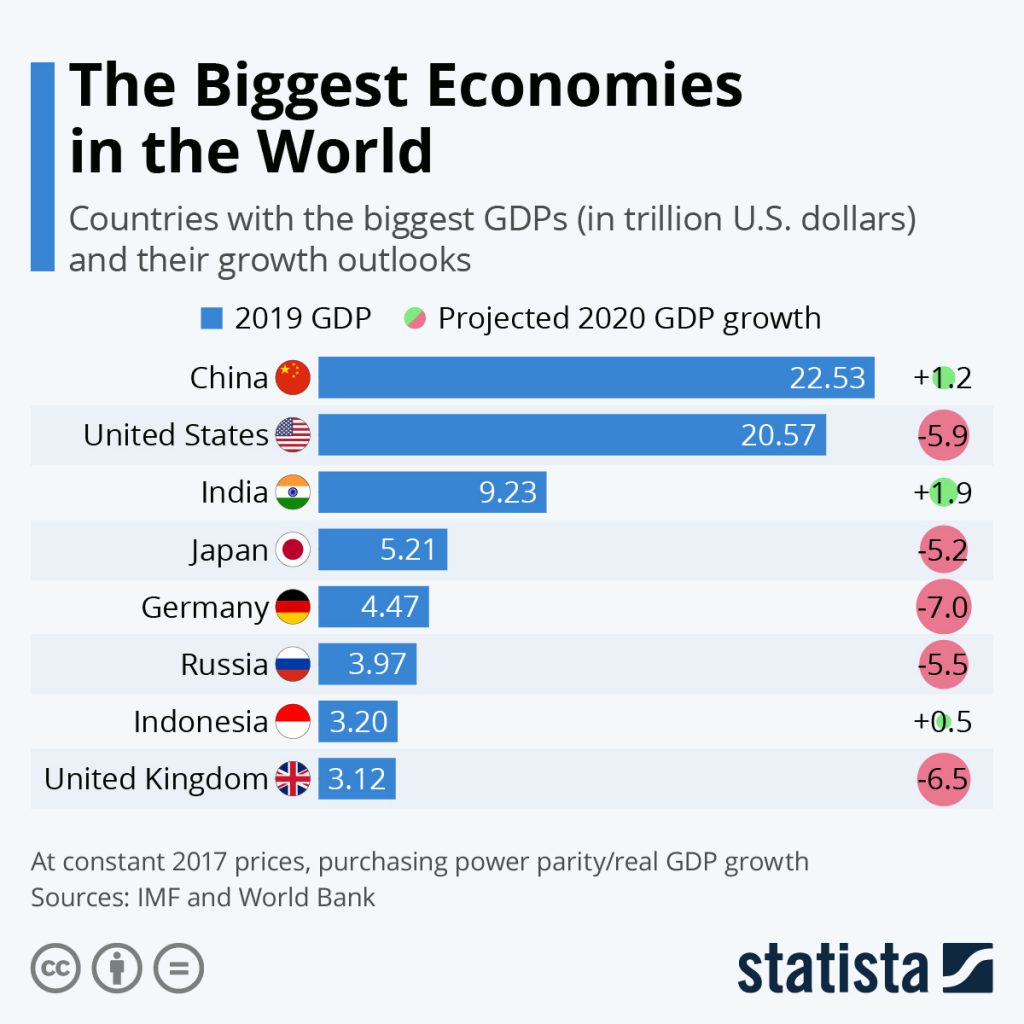
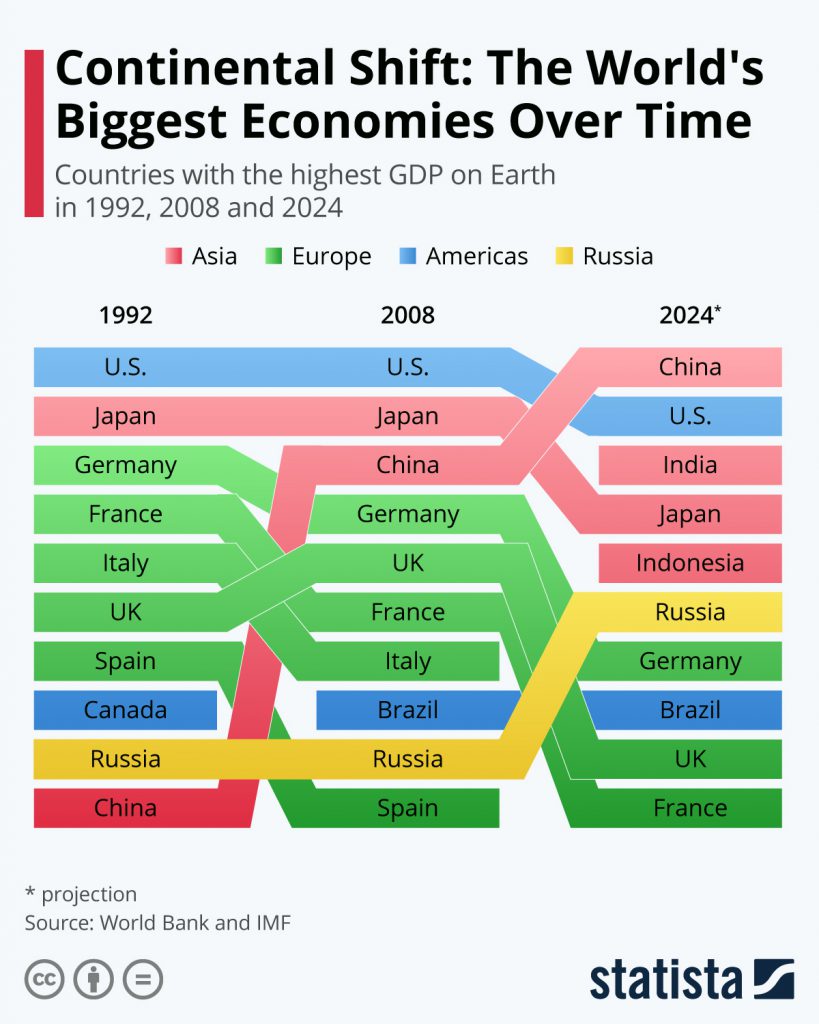
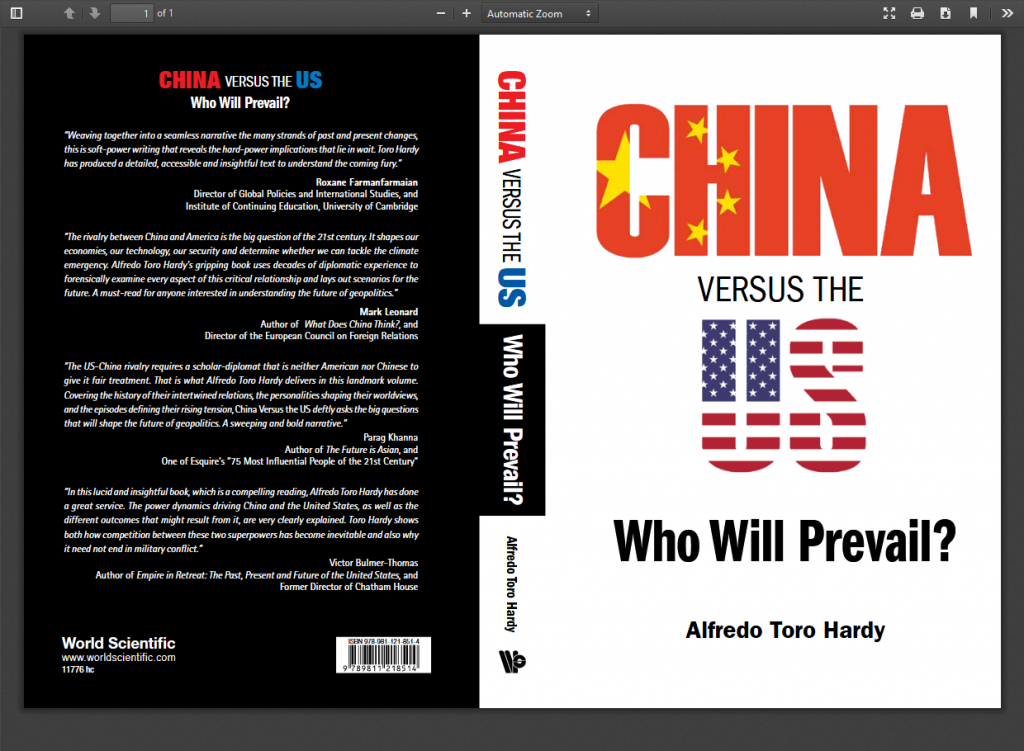




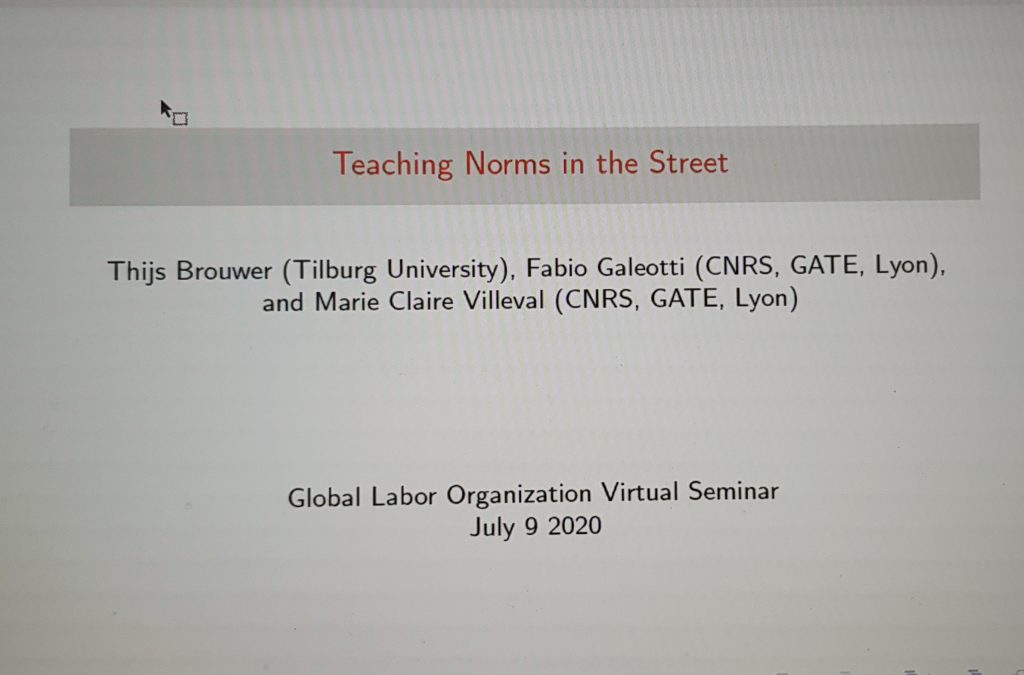
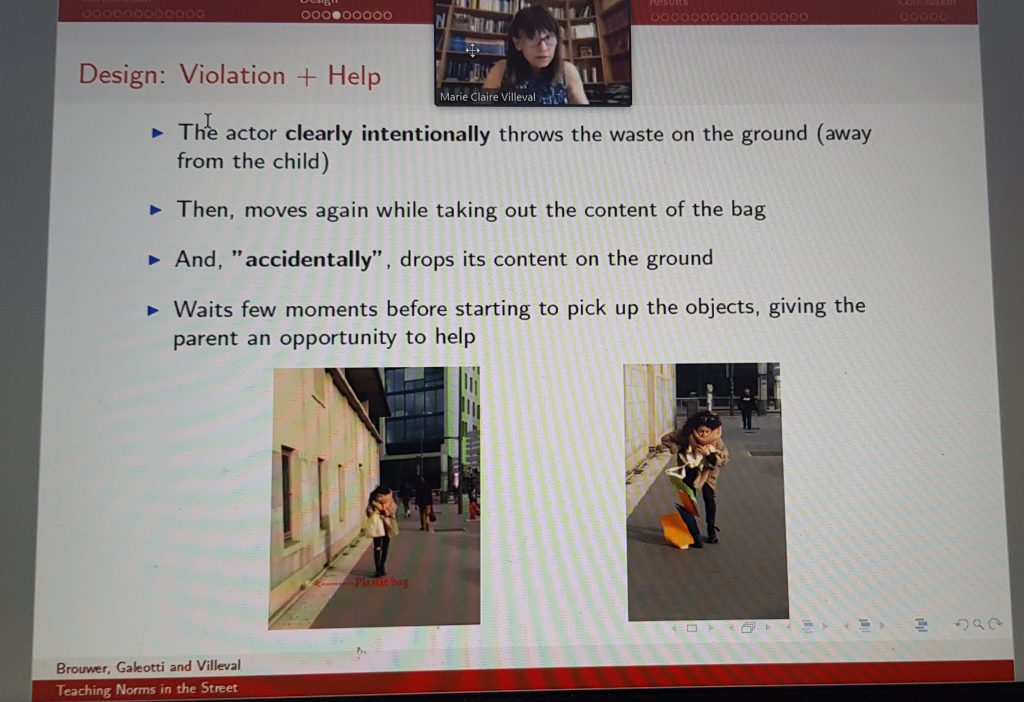







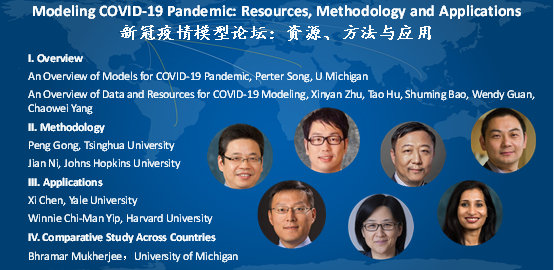

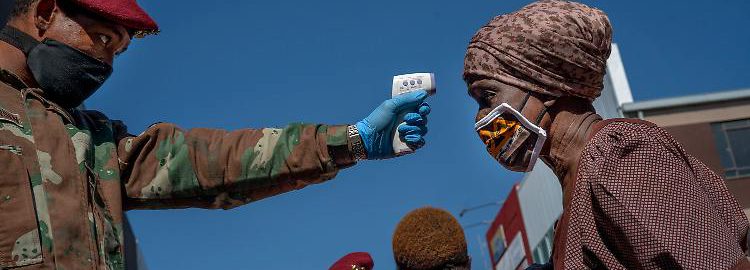





























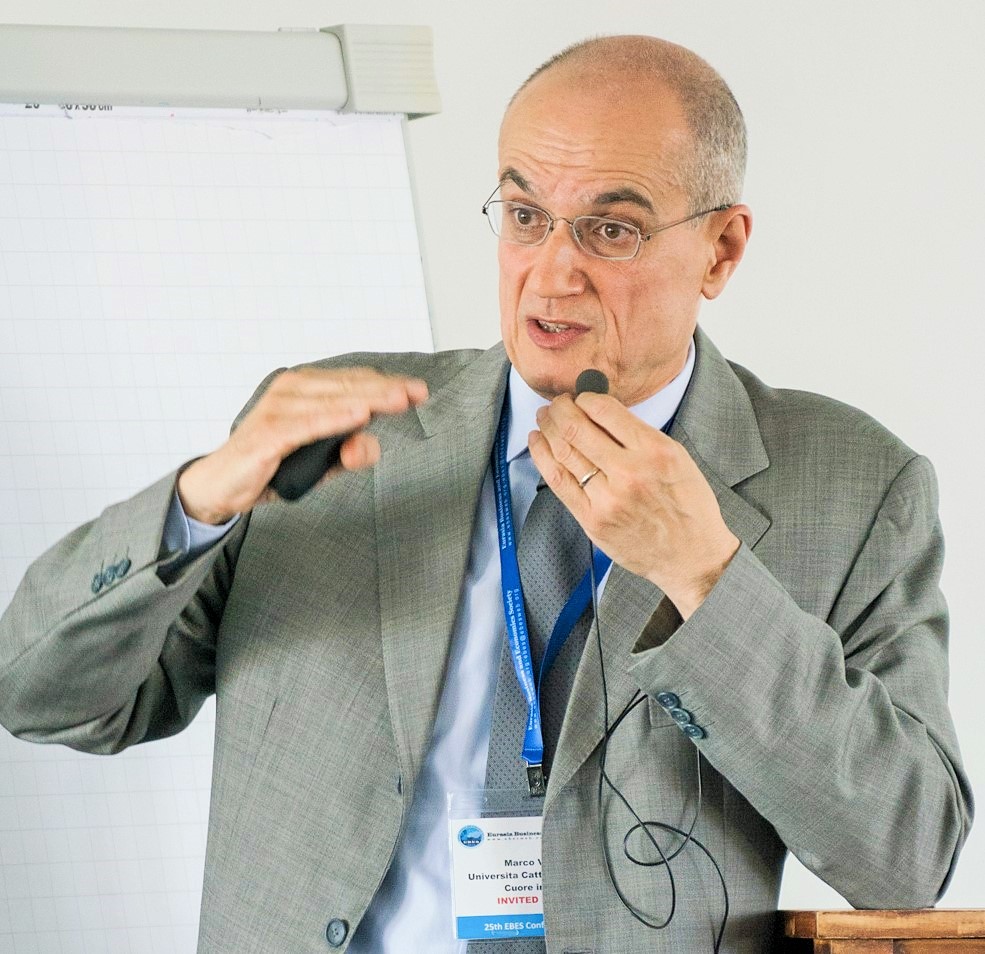


_FiguresAtAGlance_Infographic(18JUN2020).png)