A new GLO Discussion Paperfinds that retirement increases the probability of migration strongly.
The Global Labor Organization (GLO) is an independent, non-partisan and non-governmental organization that functions as an international network and virtual platform to stimulate global research, debate and collaboration.
Author Abstract: We examine whether and how retirement affects migration decisions in China. Using a regression discontinuity (RD) design approach combined with a nationally representative sample of 228,855 adults aged between 40 and 75, we find that retirement increases the probability of migration by 12.9 percentage points. Approximately 38% of the total migration effects can be attributed to inter-temporal substitution (delayed migration). Retirement-induced migrants are lower-educated and have restricted access to social security. Household-level migration decisions can reconcile different migration responses across gender. Retirees migrate for risk sharing and family protection mechnisms, reducing market production of their families in the receiving households.
A new GLO Discussion Paperstudies the long-run growth effects of rising longevity and an increasing retirement age.
The Global Labor Organization (GLO) is an independent, non-partisan and non-governmental organization that functions as an international network and virtual platform to stimulate global research, debate and collaboration.
Author Abstract: We assess the long-run growth effects of rising longevity and increasing the retirement age when growth is driven by purposeful research and development. In contrast to economies in which growth depends on learning-by-doing spillovers, raising the retirement age fosters economic growth. How economic growth changes in response to rising life expectancy depends on the retirement response. Employing numerical analysis we find that the requirement for experiencing a growth stimulus from rising longevity is fulfilled for the United States, nearly met for the average OECD economy, but missed by the EU and by Japan.
A new GLO Discussion Paperreveals that the impact of exports on economic growth has been small but positive in 1850-2017 Spain.
The Global Labor Organization (GLO) is an independent, non-partisan and non-governmental organization that functions as an international network and virtual platform to stimulate global research, debate and collaboration.
Author Abstract: We analyse in this paper the relationship between international trade and economic growth from the point of view of one of the most traditional hypotheses within this field, namely, the export-led growth hypothesis, for the case of Spain in a long-term perspective of almost 170 years. Exports seem to have played a positive, though modest, role in promoting economic growth in the Spanish economy over the whole period, mostly due to the higher productivity associated with the export sector. The contribution of exports to growth, however, seems to have been stronger in the final years of the 19th century, unlike the rest of the period, where it proved to be very small.
A new GLO Discussion Paperreveals and investigates the channels of international migration from thePhilippines caused byweather shocks.
The Global Labor Organization (GLO) is an independent, non-partisan and non-governmental organization that functions as an international network and virtual platform to stimulate global research, debate and collaboration.
Author Abstract: The growing literature on environmental migration presents conflicting results. While some find that natural disasters induce international migration, others discover a dampening effect. We aim to reconcile these differences by using a comprehensive list of weather shocks from the Philippines, a country prone to natural disasters and a major exporter of labor. We constructed a longitudinal provincial dataset (2005–2015) from an assemblage of administrative and survey datasets and tested linear, quadratic, and lagged models. Our fixed-effects results are consistent with both strands in the literature with caveats. First, Filipinos are more likely to work abroad when they experience less-intense tropical cyclones and storm warning signal but are more likely to stay with a more damaging storm warning signal. Second, differential effects of weather shocks on international migration contingent on agriculture exists. Third, non-environmental factors such as economic (unemployment rate) and infrastructure (number of high schools) also push Filipinos abroad.
A new GLO Discussion Paperstudies the effectiveness of a government program to strengthen the public supply of early childhood educational services in Italy.
The Global Labor Organization (GLO) is an independent, non-partisan and non-governmental organization that functions as an international network and virtual platform to stimulate global research, debate and collaboration.
Author Abstract: In 2007 the Italian central government started a program by transferring funds to regional governments to develop both private and public early childcare services. Exploiting the different timing of program implementation across regions, we evaluate its effectiveness in boosting the public supply of early childhood educational services. We find that the ratio between the available slots in public early childhood education and the population of those aged 0-2 increased by 17.2% three years after the start of the program, with respect to the pre-program level. The program impact was however limited in the South and mostly driven by the Center-North.
A new GLO Discussion Paperinvestigates the effects of dismissals of local governments in Italy suspected of Mafia infiltration.
The Global Labor Organization (GLO) is an independent, non-partisan and non-governmental organization that functions as an international network and virtual platform to stimulate global research, debate and collaboration.
Author Abstract: Local governments suspected of Mafia infiltration can be dismissed in Italy through an administrative act not increasing formal deterrence but potentially signaling improved law enforcement among local communities. This paper finds that dismissals are associated to a persistent fall of petty crimes (e.g. thefts) but have no consequences on offenses more closely related to the activity of organized crime, as homicide, extortion, drug-trafficking or usury. Petty crimes are estimated to fall by around 10%, on average, a result that seems driven by the perception of enhanced deterrence (through media pressure, the signaling role of the policy, and other forms of social control) rather than induced by organized crime itself.
A new GLO Discussion Paperreveals thatland ownership is important for female entrepreneurial performance in Eswatini, Lesotho, and Zimbabwe.
The Global Labor Organization (GLO) is an independent, non-partisan and non-governmental organization that functions as an international network and virtual platform to stimulate global research, debate and collaboration.
Author Abstract: Limited access to finance is one of the major barriers for women entrepreneurs in Africa. This paper presents a model of start-ups in which firms’ sales and profits depend on their productivity and access to credit. However, due to the lack of collateral assets such as land, female entrepreneurs have more constrained access to credit than do men. Testing the model on data from the World Bank Enterprise Surveys in Eswatini, Lesotho, and Zimbabwe, we find land ownership to be important for female entrepreneurial performance in terms of sales levels. This finding suggests that the small Southern African economies would benefit from removing obstacles to women’s land tenure and enabling financial institutions to lend against movable collateral. While land ownership is linked with higher sales levels, it seems less critical for sales growth and innovation where access to short term loans for working capital seems to be key.
A new GLO Discussion Paperreveals thatthe provision of extension services increases agricultural technology take-up in Uganda.
The Global Labor Organization (GLO) is an independent, non-partisan and non-governmental organization that functions as an international network and virtual platform to stimulate global research, debate and collaboration.
Author Abstract: Why adoption rate of potentially profitable agricultural technologies in Africa remains low is still puzzling. This paper uses a randomized control trial to study Ugandan subsistence smallholders’ decisions to adopt cash crops. A unique way of eliciting farmers price and yield expectations allows us to investigate the role of farmers’ ex-ante beliefs about crop profitability on adoption decisions. We find that the provision of extension services increases oilseeds adoption by 15%, and farmers who under-estimate oilseeds price at baseline are the most likely to adopt the new crops. The results suggest that changes in expectations drive agricultural technology take-up.
A new GLO Discussion Paperreveals thatyounger and older workers in Egypt were less likely to be employed than their middle age peers after the reforms in the 1990s than before. Those seeking formal jobs were more likely to remain unemployed or inactive.
The Global Labor Organization (GLO) is an independent, non-partisan and non-governmental organization that functions as an international network and virtual platform to stimulate global research, debate and collaboration.
Author Abstract: This paper aims to study the evolution in the age composition of males’ employment in the aftermath of the public sector downsizing in the 1990s -during the Economic Reform and Structural Adjustment Policies – and the new labor law in 2003. This answers the question of whether young (15-29) and older (50-59) male workers were the most likely to bear the brunt of the 1990s reforms and the new labor law in 2003. Employment, formality and hours-of-work are simultaneously estimated by maximum likelihood to control for the self-selection, using three repeated cross sectional samples from Egyptian Datasets conducted in 1988, 1998 and 2006. Results show that men aged (15-29) and those aged (50-59) were less likely, as compared to their peers in middle age (30-49), to be employed in 1998 than in 1988 (before the first reform). While informality has affected all age groups, the 30 to 49 years old were the category that experienced the most rapid increase in informality as compared to the other two age groups. Findings also show evidence of negative correlation between the probability of employment and the probability of having a formal job, indicating that those who have more incidence to work in formal jobs are more likely to remain unemployed or inactive.
A new GLO Discussion Paperreveals that poor health conditions in childhood and unfavorable childhood and adolescent socioeconomic status as measured by educational attainment and neighborhood quality may increase the risk of late-life frailty among Chinese older adults .
The Global Labor Organization (GLO) is an independent, non-partisan and non-governmental organization that functions as an international network and virtual platform to stimulate global research, debate and collaboration.
Author Abstract: Exposures in childhood and adolescence may impact the development of diseases and symptoms in late life. However, evidence from low- and middle- income countries is scarce. In this study, we examined the association of early life risk factors with frailty among older adults using a large, nationally representative cohort of community-dwelling Chinese sample. 6,806 participants aged ≥60 years from the China Health and Retirement Longitudinal Study were included. We measured 13 risk factors in childhood or adolescence through self-reports, encompassing six dimensions (education, family economic status, nutritional status, domestic violence, neighborhood, and health). We used multinomial regression models to examine the association between risk factors and frailty and further calculated the absolute risk difference for the statistically significant factors. Results show that worse health condition in childhood and unfavorable childhood and adolescent socioeconomic status as measured by educational attainment and neighborhood quality may increase the risk of late-life frailty among Chinese older adults. Severe starvation in childhood was associated with higher risk of prefrailty. The risk differences of being frail were 5.7% lower for persons with a high school or above education, 1.5% lower for those whose fathers were literate, 4.8% lower for the highest neighborhood quality, and 2.9% higher for worse childhood health status compared to their counterparts.
A new GLO Discussion Paperrevealsthat receiving a pension only slightly reduces collective recreational activities while significantly crowding out altruistic activities in the Chinese communities.
The Global Labor Organization (GLO) is an independent, non-partisan and non-governmental organization that functions as an international network and virtual platform to stimulate global research, debate and collaboration.
Author Abstract: Grants and services provided by the government may crowd out informal arrangements, thus weakening informal caring relations and networks. In this paper, we examine the impact of social security expansion on neighborhood cohesion of elders using China’s New Rural Pension Scheme (NRPS), one of the largest existing pension program in the world. Since its launch in 2009, more than 400 million Chinese have enrolled in NRPS. We use two waves of China Health and Retirement Longitudinal Study (CHARLS) to examine the effect of pension receipt on two dimensions of neighborhood cohesion among older adults, i.e. participation in collective recreational activities (e.g., socializing and organizational activities) and altruistic activities (e.g., helping those in need in the community), and the frequencies of these activities. Employing an instrumental variable approach, our empirical strategy addresses the endogeneity of pension receipt via exploiting geographic variation in pension program roll-out. We find evidence that receiving pension only slightly reduces collective recreational activities while significantly crowding out altruistic activities in the communities.
A new GLO Discussion Paper finds a nonlinear (but positive) relationship between the length of sunlight and birth outcomes in China.
The Global Labor Organization (GLO) is an independent, non-partisan and non-governmental organization that functions as an international network and virtual platform to stimulate global research, debate and collaboration.
Author Abstract: This paper is one of the first to examine the associations between prenatal sunshine exposure and birth outcomes, specifically the incidence of low birth weight (LBW) and small for gestational age (SGA), based on a nationally representative birth record dataset in China. During the sample period in the 1990s, migration was limited in rural China, allowing us to address the identification challenges, like residential sorting and avoidance behaviors. We found a nonlinear relationship between the length of sunlight and birth outcomes. In particular, prenatal exposure to increasing sunshine was associated with a reduction in the incidence of LBW and SGA, especially in the second trimester during pregnancy. This finding was consistent with the clinical evidence suggesting positive effects of sunshine on birth outcomes via obtaining vitamin D or relieving maternal stress.
A new GLO Discussion Paperreveals a significant dependence of health inequality in old age of Chinese adults on childhood circumstances and identifies particular patterns.
The Global Labor Organization (GLO) is an independent, non-partisan and non-governmental organization that functions as an international network and virtual platform to stimulate global research, debate and collaboration.
Author Abstract: This paper examines the extent to which childhood circumstances contribute to health inequality in old age and how the contributions may vary across key dimensions of health. We link the China Health and Retirement Longitudinal Study (CHARLS) in 2013 and 2015 with its Life History Survey in 2014 to quantify health inequality due to childhood circumstances for which they have little control. We evaluate comprehensive dimensions of health ranging from cognitive health, mental health, physical health, self-rated health to mortality. Our analytic sample includes about 8,000 Chinese persons age above 60. Using the Shapley value decomposition approach, we first show that childhood circumstances may explain 1-23 percent of health inequality in old age across multiple health outcomes. Second, while both direct health-related circumstances and indirect health-related circumstances contribute significantly to health inequality, the latter tends to be more sizable. Our findings support the value of a life course approach in identifying the key determinants of health in old age.
A new GLO Discussion Paperreveals that given first names of leaders from World War II can predict behavior in the 1991-1995 Croatian war of independence and beyond.
The Global Labor Organization (GLO) is an independent, non-partisan and non-governmental organization that functions as an international network and virtual platform to stimulate global research, debate and collaboration.
Author Abstract: We implement a novel empirical strategy for measuring and studying a strong form of nationalism – the willingness to fight and die in a war for national independence – using name choices corresponding to previous war leaders. Based on data on almost half a million soldiers, we first show that having been given a first name that is synonymous with the leader(s) of the Croatian state during World War II predicts volunteering for service in the 1991-1995 Croatian war of independence and dying during the conflict. Next, we use the universe of Croatian birth certificates and the information about nationalism conveyed by first names to suggests that in ex-Yugoslav Croatia, nationalism was on a continuous rise starting in the 1970s and that its rise was curbed in areas where concentration camps were located during WWII. Our evidence on intergenerational transmission of nationalism is consistent with nationalist fathers purposefully reflecting the trade-o¤ between within-family and society-wide transmission channels of political values. We also link the nationalist values we proxy using first name choices to right-wing voting behavior in 2015, 20 years after the war.
A new GLO Discussion Paper reveals that, among other insights, R&D has overall negligible effects on the probability of workers to become self-employed; it increases the probability of moving from unemployment to paid employment, especially in routinized areas, and reduces the permeability between routinized and non-routinized workers.
The Global Labor Organization (GLO) is an independent, non-partisan and non-governmental organization that functions as an international network and virtual platform to stimulate global research, debate and collaboration.
Author Abstract: The paper adds to the literature on innovation and employment by looking at the relationship between R&D investments and the rise of alternative work arrangements, particularly self-employment (SE). A literature review on the determinants of the emergence of non-standard work, alternative work arrangements and self-employment if offered first. The contributions that have looked at SE in relation to innovation strategies is surprisingly limited. General trends of SE in Europe are considered. The empirical contribution is focused on the analysis of local labor markets in the UK (Travel-To-Work-Areas, TTWAs), where their initial concentration of routinized and non-routinized jobs is considered. The probability that an individual shifts from paid employment to either unemployment or self-employment over the period 2001-13, as linked to changes in R&D investments in the TTWA is empirically accounted for. Results show that overall R&D has negligible effects on the probability of workers to become self-employed. R&D increases the probability of moving from unemployment to paid employment, especially in routinized areas, and reduces the permeability between routinized and non-routinized workers. Also, a non-negligible increase in the probability that a routinized worker becomes SE as a result of R&D increase is found in low routinized local labor markets, but not in highly routinized areas. The paper sheds new lights on the effect of R&D on employment and self-employment in areas with different degrees of routinization, and adds to the discussion on the more general raise of alternative work arrangements in Europe by disentangling the characteristics of self-employment as resulting from R&D investments.
A new GLO Discussion Paperreveals that firms in China share rents with their workers, although at a smaller level than in developed economies.
The Global Labor Organization (GLO) is an independent, non-partisan and non-governmental organization that functions as an international network and virtual platform to stimulate global research, debate and collaboration.
Author Abstract: Do firms in China share rents with their workers? We address this question by examining firm-level panel data covering virtually all manufacturing firms over the period 2000-2007, representing an average of 52 million workers per year. We find evidence of rent sharing (RS), with wage-profit elasticities of between 4% and 6%. These results are based on multiple instrumental variables, including firm-specific international trade shocks. We also present a number of complementary findings to understand better the nature of RS in the country: it involves an element of risk sharing, as wages also decrease when profits fall; RS is lower in regions with more latent competition from rural workers; higher minimum wages tend to reduce RS; and, while employer labor market power reduces wages, it increases RS. Overall, despite its importance, RS in China is smaller and more symmetric than in developed economies, which reflects the weaker bargaining power of its workers and the different nature of its labor market institutions.
A new GLO Discussion Paper simulates an increase of public spending in health care and social assistance in the Chinese economy and examines the effects on seven regions of the world economy: China, Japan, the United States, the European Union, Latin America, Asia‐Pacific and the Rest of the World.
The Global Labor Organization (GLO) is an independent, non-partisan and non-governmental organization that functions as an international network and virtual platform to stimulate global research, debate and collaboration.
Author Abstract: In this paper, we simulate the effects of an increase in the levels of public spending in health care and social assistance in the Chinese economy, and examine its global effects, i.e., the effects on the main macroeconomic variables of seven regions of the world economy, namely, China, Japan, United States, European Union, Latin America, Asia‐Pacific and Rest of the World. Three different rules to finance the increase in public expenditure are considered. The empirical methodology makes use of a computable general equilibrium model, through an extension of the Global Trade Analysis Project model. The policy measure simulated led to either expansionary or contractionary effects on China’s activity levels, depending on whether the government deficit is left to increase, or if taxes are raised instead in order to offset it. While no sector seemed to be particularly hurt by this measure, trade flows were negatively affected, but this did not seem to have a strong influence on the rest of the world.
A new GLO Discussion Paperprovides a complete outlook about return, repeat, circular and onward migration; it reveals the new norm of joint decision-making by the family as a unit and underlines the importance of non-economic reasons for return.
The Global Labor Organization (GLO) is an independent, non-partisan and non-governmental organization that functions as an international network and virtual platform to stimulate global research, debate and collaboration.
Author Abstract: This chapter undertook the monumental task of providing a complete outlook about return, repeat, circular and onward migration by bringing together the perspectives of the host and the home country. In this endeavor, it reviewed and evaluated all theories about why people move, when they circulate, where they go, who are the people who migrate, who are the people who return, and how they change the economic and social structures in the home country. In the process, it revealed the new norm of joint decision-making by the family as a unit and underlined the importance of non-economic reasons for return. The chapter further provided a state-of-the-art literature review about empirical evidence regarding the disparate phenomena of return, circular and onward migration. It emphasized commonalities and compared differences in findings, while connecting them to the theories, policies and institutions. Return, repeat, and circular migrants are self-selected and extremely heterogeneous people and cannot conform under one theory or empirical study. Their de facto migration comportment can be understood by several different theories and, in the absence of good data, it can be explained by a variety of studies. The chapter ends with a critical conclusion and hope to inspire new avenues of research on the topic.
A new GLO Discussion Paperreveals thatRussia has similar migration flows than the US and the EU, but they imply rather divergence than convergence across regions.
The Global Labor Organization (GLO) is an independent, non-partisan and non-governmental organization that functions as an international network and virtual platform to stimulate global research, debate and collaboration.
Author Abstract: This paper aims to assess the role of migration as an adjustment mechanism device to favor convergence across states and regions of Russia. In contrast to previous studies, we use variations in the population of a region as a proxy of its net migration rate and apply spatial econometric methodology in order to distinguish the effect from the neighbouring regions. We provide descriptive statistical evidence showing that Russia has more/less/the same intense migration flows than the USA and EU. The econometric analysis shows that migration flows are sensitive to both regional income and regional unemployment differentials. Nonetheless, we find that internal migration is sensitive to regional unemployment and income differentials of neighbouring regions. Dependent on the welfare, pre- or after-crisis period, income in neighbouring regions can create out- or in-migration flows. The relatively high degree of internal mobility coupled with the low sensitivity of migration flows to the local unemployment rate of distant regions might explain why migration flows tends not to generate convergence, but rather divergence across Russian regions.
A new GLO Discussion Paperreveals a significant dependence of current financial institutions in Africa on the legal origin and the colonization type.
The Global Labor Organization (GLO) is an independent, non-partisan and non-governmental organization that functions as an international network and virtual platform to stimulate global research, debate and collaboration.
Author Abstract: This paper links banking systems development to the colonial and legal history of African countries. Specifically, we investigate the impact of differing legal traditions on the development of existing investor and creditor protection, and on African banking systems. Based on a sample of 40 African countries from 2000 to 2016, our empirical findings show a significant dependence of current financial institutions on the legal origin and the colonization type. Findings also reveal that current legal financial institutions are not the major determinants of banking system development, whereas institutional and regulatory quality significantly matter for banking system development in both common and civil law countries. Strong creditor rights reduce the cost of banking in African countries.
A new GLO Discussion Paperpresentsevidence that reshoring in the age of automationis positively associated with wages and employment for high-skilled labor but not for low-skilled labor.
The Global Labor Organization (GLO) is an independent, non-partisan and non-governmental organization that functions as an international network and virtual platform to stimulate global research, debate and collaboration.
Author Abstract: We propose a theoretical framework to analyze the offshoring and reshoring decisions of firms in the age of automation. Our theory suggests that increasing productivity in automation leads to a relocation of previously offshored production back to the home economy but without improving low-skilled wages and without creating jobs for low-skilled workers. Since it leads also to increasing wages for high-skilled workers, automation-induced reshoring is associated with an increasing skill premium and increasing inequality. We develop a measure for reshoring activity at the macro-level and, using data from the world input output table, we provide evidence for automation-driven reshoring. On average, within manufacturing sectors, an increase by one robot per 1000 workers is associated with a 3.5% increase of reshoring activity. Using robots in countries with similar sectoral structure as an instrument, we find that an increase by one robot per 1000 workers causes a 2.5% increase of reshoring activity. We also provide the first cross-country evidence that reshoring is positively associated with wages and employment for high-skilled labor but not for low-skilled labor and that tariffs increase the degree of reshoring.
A new GLO Discussion Paper finds that the demand-pull effect on firms’ growth is heterogeneous across different types of demand sources and that success depends on firms’ specific knowledge profiles.
The Global Labor Organization (GLO) is an independent, non-partisan and non-governmental organization that functions as an international network and virtual platform to stimulate global research, debate and collaboration.
Author Abstract: The present paper explores the demand-pull effect of distinct demand sources (i.e. households and retailers, other firms and public sector) on Italian companies’ growth patterns. Data relies on the PEC (Indagine sulle Professioni e le Competenze) survey carried out by the Institute for Public Policy Analysis (INAPP), which provides a rich set of information on a representative sample of Italian companies (~32.000) observed during the years 2012, 2014 and 2017. In particular, we investigate if and to what extent firm-level growth profiles are linked to the prevalent source of the demand flows that such firms face. The analysis contextually accounts for the role played by technological and knowledge-related heterogeneities in shaping the growth pattern-demand type relationship. The empirical analysis shows that the demand-pull effect on firms’ growth is heterogeneous across different types of demand sources and that the ability to seize the growth-related chances provided by distinct demand conditions is contingent on firms’ specific knowledge profiles.
A new GLO Discussion Paperinvestigates the evolution of livelihood diversification in Egypt with a particular focus on wealth and urban-rural divides.
The Global Labor Organization (GLO) is an independent, non-partisan and non-governmental organization that functions as an international network and virtual platform to stimulate global research, debate and collaboration.
Author Abstract: Livelihood diversification is attracting considerable interest as a tool to cope with economic shocks and resist vulnerability. This paper investigates the evolution of livelihood diversification in Egypt with a particular focus on wealth and urban-rural divides. Using Egypt Labor Market Panel data from 2006 to 2018, I find that rural households have a more diversified livelihood portfolio, yet they diversified away from farming over time. Poor rural households remained dependent on informal livelihood strategies due to the high entry barriers to formal employment. Urban households had significantly less livelihood diversification than rural households. Wealthy households in urban areas tended to depend on relatively more specialized livelihood clusters which were stable over time. These findings imply that distress is a potential reason for diversification in urban areas.
A new GLO Discussion Paperfinds that benefits do not necessarily reach the poor and vulnerable households at the regional level.
The Global Labor Organization (GLO) is an independent, non-partisan and non-governmental organization that functions as an international network and virtual platform to stimulate global research, debate and collaboration.
Author Abstract: Tunisian social programs provide direct transfers and free or reduced rate access to public health care for families selected by local and regional commissions. In some areas, poor and vulnerable families are excluded from these programs whose places are occupied by other households. The center is often ill-informed about the performance of different regions in reaching the poor and about the exclusion and inclusion errors sources. This lack of information can severely limit the options for designing reforms that will improve targeting performance. In a nutshell : Two components of social safety nets in Tunisia: one covers more, and the other is more generous. The regional commissions often select households headed by women widowed and elderly as beneficiaries. At the regional level, some beneficiaries are not eligible, and the eligible are not beneficiaries. The inclusion of the non-poor and the exclusion of the poor at the regional level are due to disagreement between eligibility criteria and a person’s poverty status.
A new GLO Discussion Paperpresents cross-country evidence that agricultural credits have a positive impact on agricultural productivity.
The Global Labor Organization (GLO) is an independent, non-partisan and non-governmental organization that functions as an international network and virtual platform to stimulate global research, debate and collaboration.
Author Abstract: We present cross-country evidence suggesting that agricultural credits have a positive impact on agricultural productivity. In particular, we find that doubling agricultural credits generates around 4-5 percent increase in agricultural productivity. We use two different agricultural production measures: (i) the agricultural component of GDP and (ii) agricultural labor productivity. Employing a combination of panel-data and instrumental- variable methods, we show that agricultural credits operate mostly on the agricultural component of GDP in developing countries and agricultural labor productivity in developed countries. This suggests that the nature of the relationship between agricultural finance and agricultural output changes along the development path. We conjecture that development of the agricultural finance system generates entry into the agricultural labor market, which pushes up the agricultural component of GDP and keeps down agricultural labor productivity in developing countries; while, in developed countries, it leads to labor-augmenting increase in agricultural production. We argue that replacement of the informal credit channel with formal and advanced agricultural credit markets along the development path is the main force driving the labor market response.
A new GLO Discussion Paperfinds that smartphone use reduces student success.
The Global Labor Organization (GLO) is an independent, non-partisan and non-governmental organization that functions as an international network and virtual platform to stimulate global research, debate and collaboration.
Author Abstract: To study the causal impact of smartphone use on academic performance, we collected—for the first time worldwide—longitudinal data on students’ smartphone use and educational performance. For three consecutive years we surveyed all students attending classes in eleven different study programs at two Belgian universities on general smartphone use and other drivers of academic achievement. These survey data were merged with the exam scores of these students. We analyzed the resulting data by means of panel data random effects estimation controlling for unobserved individual characteristics. A one standard deviation increase in overall smartphone use results in a decrease of 0.349 points (out of 20) and a decrease of 2.616 percentage points in the fraction of exams passed.
A new GLO Discussion Paperfinds that employees with a temporary contract experience more loneliness at work as opposed to employees with a permanent contract. It also reveals that loneliness at work mediates the association between working temporarily and job satisfaction.
The Global Labor Organization (GLO) is an independent, non-partisan and non-governmental organization that functions as an international network and virtual platform to stimulate global research, debate and collaboration.
Author Abstract: This research contributes to the limited literature concerning the determinants of loneliness at work, as well as to the literature on psychological outcomes associated with temporary work. More specifically, we are adding to the literature by exploring whether there is an association between working temporarily and loneliness at work and whether loneliness at work partly explains the association between working temporarily and job satisfaction. To this end, we analyze—by means of a mediation model—a unique sample of Flemish employees in the private sector. We find that employees with a temporary contract experience more loneliness at work as opposed to employees with a permanent contract. In addition, we discover that loneliness at work mediates the association between working temporarily and job satisfaction.
A new GLO Discussion Paperfinds that the return rate to the labor market is between 50% and two thirds whereas survivors are experiencing lower work abilities and discrimination.
The Global Labor Organization (GLO) is an independent, non-partisan and non-governmental organization that functions as an international network and virtual platform to stimulate global research, debate and collaboration.
Author Abstract: Objectives: To synthesise the existing reviews conducted on the labour market outcomes of cancer survivors by focusing on (i) the convergences and divergences on the overall work-related outcomes, (ii) the moderating factors studied to date, and (iii) an identification of areas where more research is needed in the future. Methods: A systematic review of the existing reviews on labour market outcomes for cancer survivors was performed. Bibliographic search for eligible studies published before January 2019 involved the following three core concepts: (i) cancer survivors, (ii) work, and (iii) review. The quality of the included reviews was assessed based on the Johns Hopkins Hospital Evidence Level and Quality Guide. Following this, a narrative synthesis of the findings was completed. Results: In total, 35 articles met the inclusion criteria. The average return to work (RTW) rate varied between 54% and 66%. The self-reported work ability was consistently lower following cancer. This review also found strong converging evidence of self-reported discrimination after cancer. The effects on work performance showed several inconsistencies, possibly due to the use of different definitions of work performance. Most moderating factors for successful work outcomes showed converging evidence, except for age, marital status, cancer type, and country. We provide several possible explanations and linkages for these divergencies. Conclusions: Further investigation of causal relationships by (i) using matched control groups and by (ii) gathering longitudinal data, and the use of more standardised definitions of the outcome variables are the two main future research recommendations. Furthermore, no studies have succeeded in measuring the work outcomes objectively. We provide specific recommendations from an interdisciplinary context to solve this.
A new GLO Discussion Paperfinds that same-sex marriage legalization permanently increased the migration flow of homosexuals moving to more tolerant states in the United States.
The Global Labor Organization (GLO) is an independent, non-partisan and non-governmental organization that functions as an international network and virtual platform to stimulate global research, debate and collaboration.
Author Abstract: The aim of this paper is to analyze the impact of marriage regulation on the migratory behavior of individuals using the history of the liberalization of same-sex marriage across the United States. Because the approval of same-sex marriage allows homosexuals access to legal rights and social benefits, marriage becomes more attractive relative to singlehood or other forms of partnership. The differences in the value of other forms of relationship status relative to marriage can affect the migration decisions of individuals, to the extent that those states approving same-sex marriage can be considered less discriminatory. Results show that that legal reform permanently increased the migration flow of homosexuals moving to tolerant states (i.e., those that have legalized same-sex marriage). The physical distance among states does not appear to be driving our estimates since the migration flow of homosexuals is not limited to border or close states. Supplemental analysis, developed to explore whether the migration flow is translated to a significant effect to the stock of homosexuals by state, suggests that that stock increased after the approval of same-sex marriage but that it was transitory, pointing to a ‘no effect’ on the spatial distribution of homosexuals as times went by. The liberalization of marriage for homosexuals also has an effect on the migration behavior of those individuals originating from countries in which same-sex sexual activity is illegal, for whom we observe an outflow migration from those states with same sex marriage, pointing to dissimilarities in cultural aspects related to homosexuality as important factors in migration decisions.
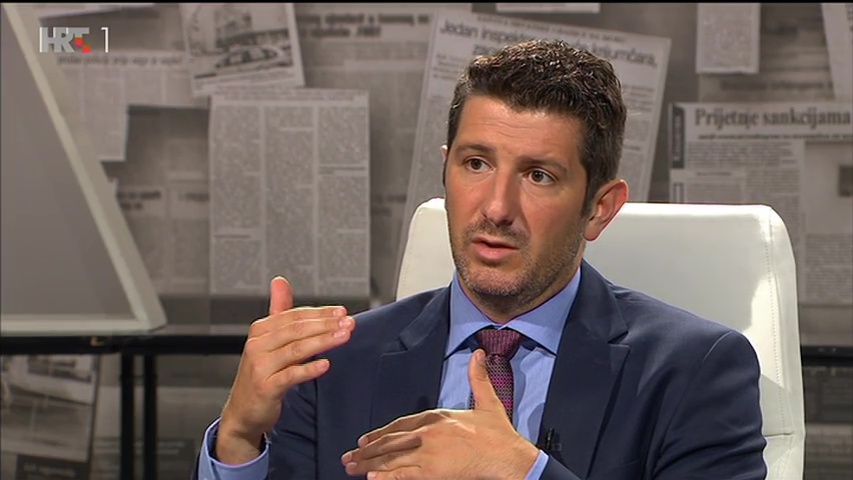
In 2019, Dejan Kovač, GLO fellow and a former postdoc at Princeton University, left his position in the US and joined the presidential race in Croatia as a candidate. He did not become the president of Croatia, but in his campaign he highlighted the need for structural reforms, promoted civic and economic freedoms, and most importantly attacked corruption relying on his previous research experience.
Besides his research on corruption, Dejan Kovač is taking another promising research endeavor – rethinking the design of Croatia’s labor market to increase its global competitiveness.
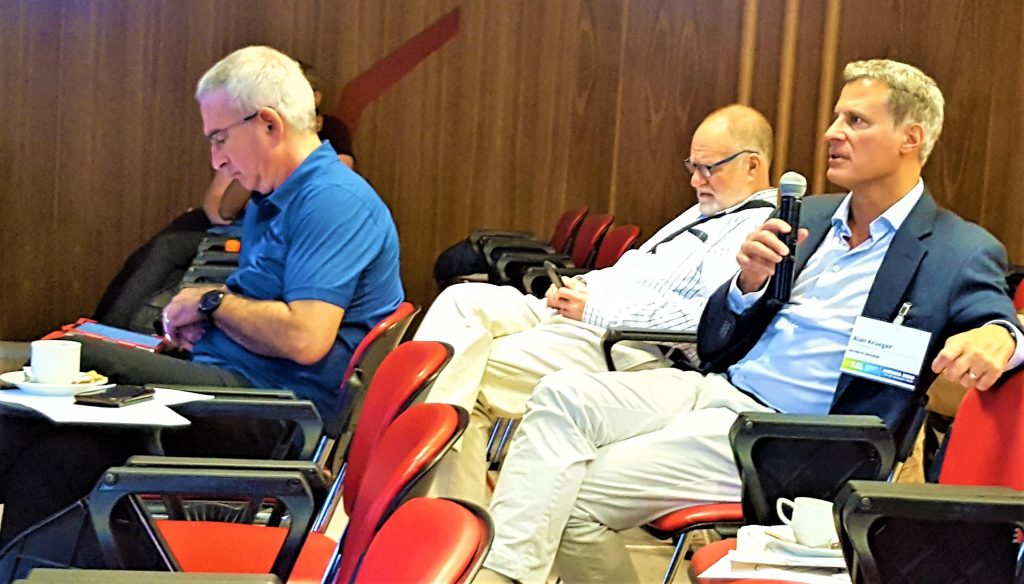
In 2017, the Global Labor Organization (GLO) had supported a large international conferenceDejan Kovač had organized in Umag to debate the challenges of the global world for labor markets. The event was hosting some of the best labor economists of our time, including the former chief economist to president Obama, the late Alan Krueger, a legendary figure and GLO Fellow (see picture below).
Interview
GLO: The scientist and politics: How has the presidential campaign changed you?
Dejan Kovač: Before the campaign I was an economist, during the campaign I remained an economist, and after the campaign I am still an economist.
GLO: Was knowledge of economics and of scientific evidence helpful for you during the race?
Dejan Kovač: Not really. Presidential races in Croatia historically have a problem. This is not a competition about the better program, but rather about to what part of the political spectrum one belongs. I was not able to push any economics topic, because we are still trapped by tales from our history and historical revisionism. It is very unfortunate that there is so little voters’ awareness about the importance of particular topics. Especially because Croatia “lost” close to 10% of its population through emigration due to several main issues: high corruption, bad economic conditions and lack of structural reforms.
GLO: Is emigration the main motivation for your newly started project “Designing Croatia’s labor market for global competitiveness” or are there other important issues at play?
Dejan Kovač: The 10% loss of population is a great shock to our economy. One does not have to have a PhD in economics to realize that this will have a detrimental effect on GDP. A larger problem than size is the issue of “brain drain” not only in Croatia, but in the entire region. High-skilled workers are leaving and they would otherwise contribute the most to economic growth. Another problem of our labor market is that the entire education system is not adequate to satisfy domestic labor market needs and especially global trends.
GLO: What is wrong with Croatia’s education system?
Dejan Kovač: Quotas are such that we are “over-producing” some occupations, which we realistically do not need, while we lack for instance STEM workers, who are “under-supplied”. This is still a residue from our past, when both skills and quantities were defined through central planning. Today not only domestic, but also global market forces are at play. Nevertheless, we have a rigid set of quotas for higher education which has not changed in a reasonable manner in decades. That is the first step to take. It is not an easy task, because redesigning the entire education system implies evaluating labor demand and supply in the future. For this we need the entire Croatia, not just a government which represents one part of the political spectrum only. Either policy makers will realize that and do the urgent structural reforms, or with the next wave of emigrations, our problems will intensify significantly.
GLO: What are decisive elements of the needed university reform and how does this relate to the vitalization of the labor market?
Dejan Kovač: Beyond quotas, we need to raise the skill levels of our workers in such a way that knowledge learned at our universities is up to date with the frontier of innovations at the labor market. We lack “intermediaries” such as incubators who can “translate” knowledge from pure theory to applied science which can be used at the labor market. Also we need to revise the entire curriculum at most universities.
*** With Dejan Kovač spoke Klaus F. Zimmermann, GLO President.
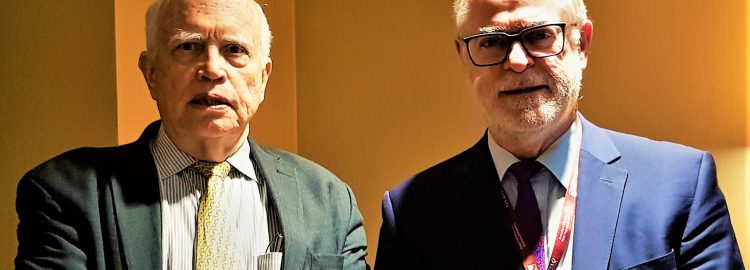
From the left: GLO FellowsJoshua Angrist (MIT), Hank Farber (Princeton University) and Alan Krueger (Princeton University and former Chief Economist of President Obama); 2017 in Umea/Croatia.
A new GLO Discussion Paperfinds that older age signals to recruiters that applicants have lower technological skill, flexibility, and trainability levels.The relevance of these factors decline with higher levels of older workers in the company.
The Global Labor Organization (GLO) is an independent, non-partisan and non-governmental organization that functions as an international network and virtual platform to stimulate global research, debate and collaboration.
Author Abstract: Research has shown that hiring discrimination is a barrier for older job candidates in many OECD countries. However, little research has delved into why older job candidates are discriminated against. Therefore, we have conducted an online scenario experiment involving recruiters to empirically investigate 15 potential stigma related to older age drawn from a systematic review of the literature. We found that older age particularly signals to recruiters that the applicant has lower technological skill, flexibility, and trainability levels. Together, these perceptions explain about 41% of the effect of age on the probability of being invited to a job interview. In addition, we found that the negative association between age and invitation probability is smaller when recruiters work for firms with a higher percentage of older employees.
A new GLO Discussion Paperfinds that bribing for public services worsens self-assessed healthusing individual-level data from 28 post-communist countries.
The Global Labor Organization (GLO) is an independent, non-partisan and non-governmental organization that functions as an international network and virtual platform to stimulate global research, debate and collaboration.
Author Abstract: Corruption is pervasive, but we know little about its effects on individual lives. This paper examines whether living in a corrupt society has deleterious effects on health. Using individual-level data from 28 post-communist countries, we demonstrate that bribing for public services worsens self-assessed health. Unlike other studies, we account for endogeneity of bribery and show that bribing for any type of public service, not just for health services, has an adverse impact. We also find that bribery lowers the quality of services received. Moreover, there are potentially high indirect costs of bribery since, as we show, it comes at the expense of cutting food consumption. These findings suggest that corruption is a potentially important source behind the poor health outcomes in many developing countries.
A new GLO Discussion Paperanalyzes the role of networks in the access of female entrepreneurs to start-up capital and firm performance in Eswatini, a country with one of the highest female unemployment rates in Africa.Women who receive support from professional networks have higher initial capital.
The Global Labor Organization (GLO) is an independent, non-partisan and non-governmental organization that functions as an international network and virtual platform to stimulate global research, debate and collaboration.
Author Abstract: This paper analyzes the role of networks in the access of female entrepreneurs to start-up capital and firm performance in Eswatini, a country with one of the highest female unemployment rates in Africa. The paper first shows that higher initial capital is associated with better sales performance for both men and women entrepreneurs. Women entrepreneurs start their firms with smaller start-up capital than men and are more likely to fund it from their own sources, which reduces the size of their firm and sales level. However, women with higher education start their firms with more capital than their less educated counterparts. Moreover, women who receive support from professional networks have higher initial capital, while those trained in financial literacy more often access external funding sources, including through their networks.
Note that due to the numerous requests received to extend the call for papers, the deadline had been changed to 15 January 2020. Notification to authors is 15 February 2020. Those who still want to submit papers should consult the IEA conference website: www.ieawc2020.org
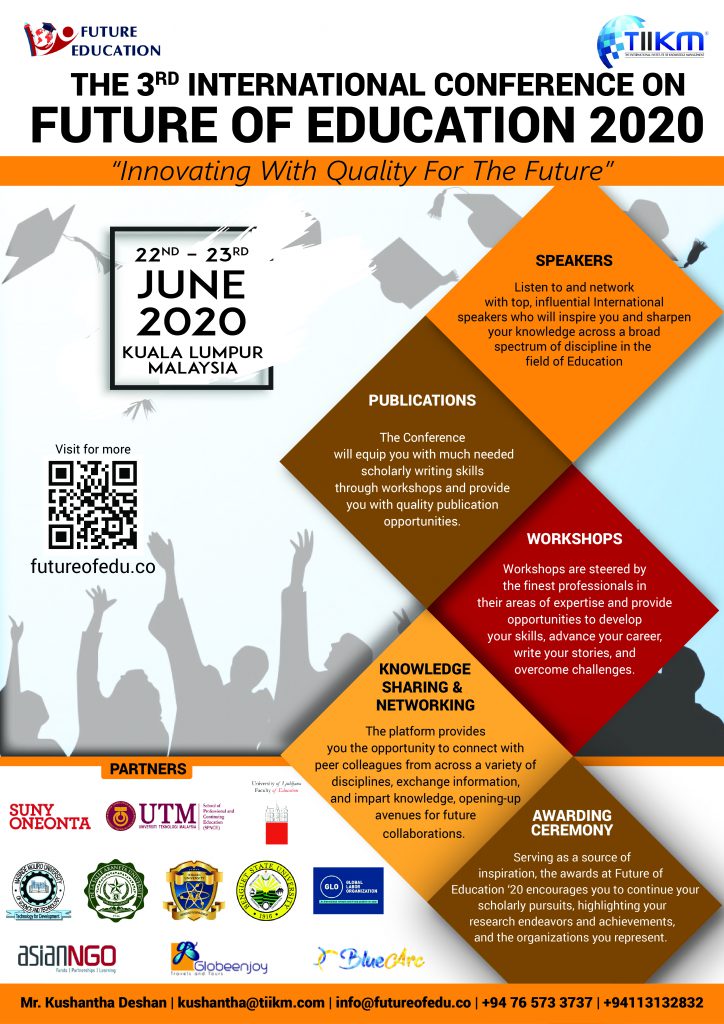
GLO is an Strategic Partner for The 3rd International Conference on Future Education 2020 to be held in 22nd – 23rd June 2020 in Kuala Lumpur, Malaysia. Niaz Asadullah of the University of Malaya and the GLO Lead for South-East Asia is a keynote speaker at the conference.
As the strategic partner, members of GLO receive special discount rates and partial scholarship opportunities. They also have the possibility to (i) publish in SCOPUS indexed journals, (ii) serve as a Scientific Committee Member for the conference, and (iii) serve as a Session Chair or Evaluation Panel Member of the conference.
For any inquires or questions regarding the conference please contact Austin Joseph (austin@tiikm.com).
The GLO Discussion Paper of the Month of December uses longitudinal data to investigate the relationship between smartphone use and academic performance in universities. It suggests that smartphone use has a causal negative effect on academic performance. The paper makes a significant contribution to current policy debates around the world, on whether smartphones should be banned from schools.
Author Abstract:To study the causal impact of smartphone use on academic performance, we collected—for the first time worldwide—longitudinal data on students’ smartphone use and educational performance. For three consecutive years we surveyed all students attending classes in eleven different study programs at two Belgian universities on general smartphone use and other drivers of academic achievement. These survey data were merged with the exam scores of these students. We analyzed the resulting data by means of panel data random effects estimation controlling for unobserved individual characteristics. A one standard deviation increase in overall smartphone use results in a decrease of 0.349 points (out of 20) and a decrease of 2.616 percentage points in the fraction of exams passed.
GLO DP Team Senior
Editors: Matloob Piracha (University of Kent) & GLO; Klaus F.
Zimmermann (UNU-MERIT, Maastricht University and Bonn University). Managing Editor: Magdalena Ulceluse, University of Groningen. DP@glabor.org
The GLO Discussion Paper of the Month of November 2019 explores the implications of post-communist party membership on the ethics and the nature of doing business in transition economies.It is found that former communist party members often become successful entrepreneurs. The Discussion Paper is the first study separating the causal effect of former communist party membership from self-selection.
Author Abstract:After
the collapse of Communism in Central and Eastern Europe, former party
members were particularly likely to start businesses and become
entrepreneurs. However, it remains unclear whether this entrepreneurial
activity was driven by the resources, information and opportunities
provided by former party membership or because people with specific
individual attributes were more likely to become party members
(self-selection). This study is the first to separate the causal effect
of former Communist party membership from self-selection. Using
individual-level Life in Transition–III survey and instrumental
variables analysis, we find that, in Central and Eastern European
countries, membership of former Communist party has facilitated business
set-up but not business longevity. Our results also suggest evidence of
negative self-selection, meaning that people who joined the former
ruling party tended have fewer of the traits associated with
entrepreneurship such as motivation, risk tolerance, and entrepreneurial
spirit. We show that former Communist party membership still matters
for business practices, business ethics, and the nature of doing
business in transition economies.
GLO DP Team Senior
Editors: Matloob Piracha (University of Kent) & GLO; Klaus F.
Zimmermann (UNU-MERIT, Maastricht University and Bonn University). Managing Editor: Magdalena Ulceluse, University of Groningen. DP@glabor.org
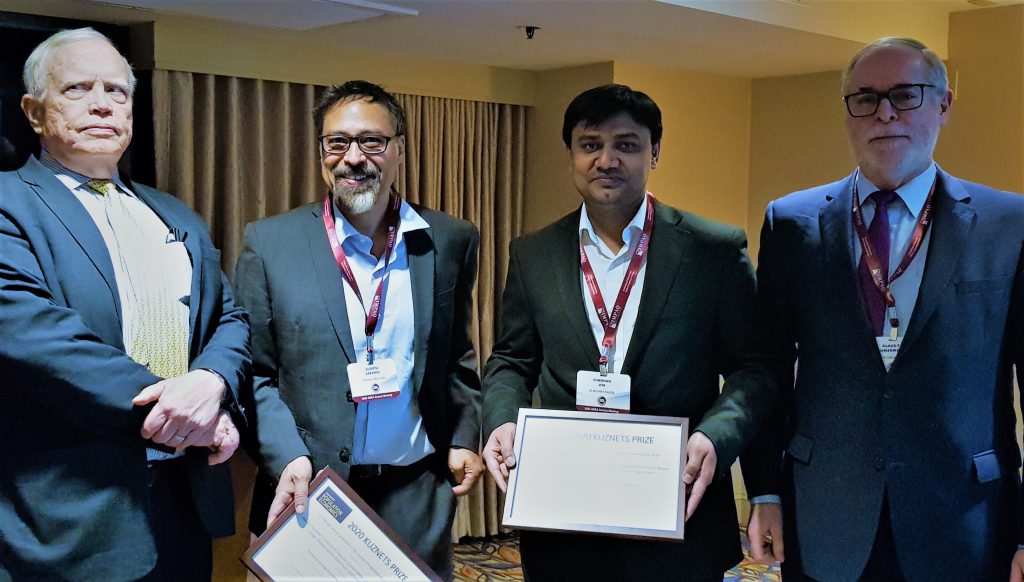
On January 3, the Kuznets Prize of the Journal of Population Economics was givento Gautam Hazarika, Chandan KumarJha, and Sudipta Sarangi at the IESR/Jinan University reception with Jim Heckman, Klaus F. Zimmermann and Shuaizhang Feng:
Award and event details. Prize paper: Ancestral ecological endowments and missing women (Please click title for FREE READ LINK) Published in the Journal of Population Economics (2019), 32(4), pp. 1101-1123. The annual prize honors the best article published in the Journal of Population Economics.
1. Paper examines the relationship between ecological endowments in antiquity and contemporary female to male sex ratios in the population. 2. It finds robust evidence that there are proportionately more missing women in countries whose ancestral ecological endowments were poorer. 3. Gender inequality is larger, that is, the female to male sex ratio lower, in regions whose peoples’ ancestors experienced greater resource stress captured by historical crop yields measures. 4. A conclusion is that ecological resource scarcity led to gender inequality in the intra-household allocation of resources in the past and that the associated behaviors have been culturally transmitted to the present as norms.
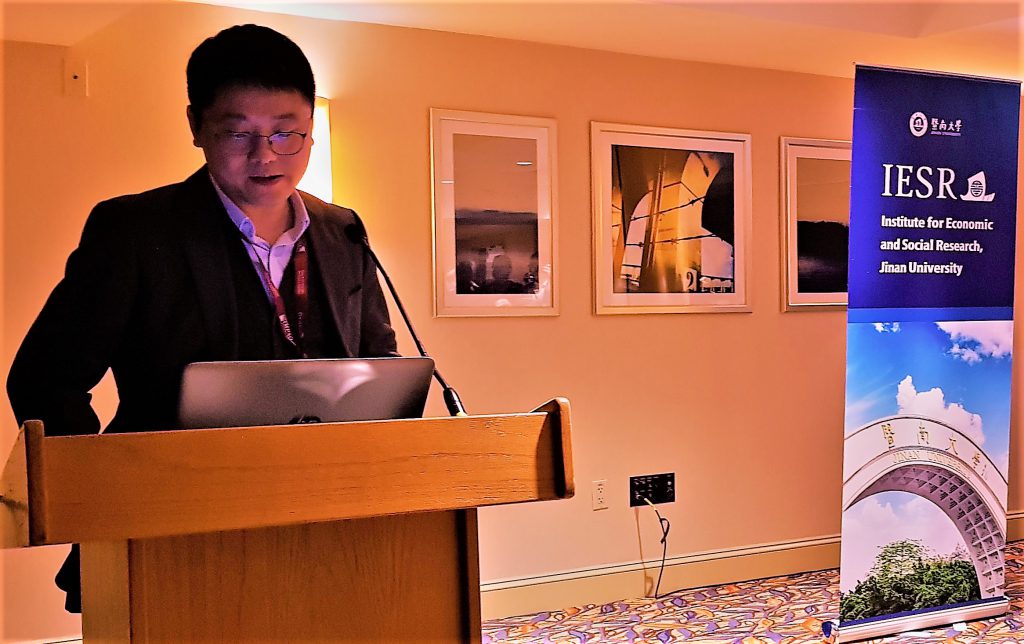
Shuaizhang Feng (Dean of IESR) introduced IESR and gave a warm welcome to the participants. Klaus F. Zimmermann introduced the Kuznets Prize, the award article and the authors. Jim Heckman congratulated the authors and the responsible organizations for the success and presented the award certificates. Chandan KumarJha and Sudipta Sarangi took the honors for all three authors and received the deserved applause of the large audience. Greetings went to author Gautam Hazarika and the responsible editor of the awarded article, Alessandro Cigno, who both could not be in San Diego.
Since 2019, Shuaizhang Feng is also an Editor of the Journal of Population Economics, Jim Heckman has been an Associate Editor for decades, while Klaus F. Zimmermann is the Founder and Editor-in-Chief. Heckman and Zimmermann supported IESR from the beginning. GLO is proud to note that all authors have joined the organization as Fellows, as Cigno, Feng and Heckman.
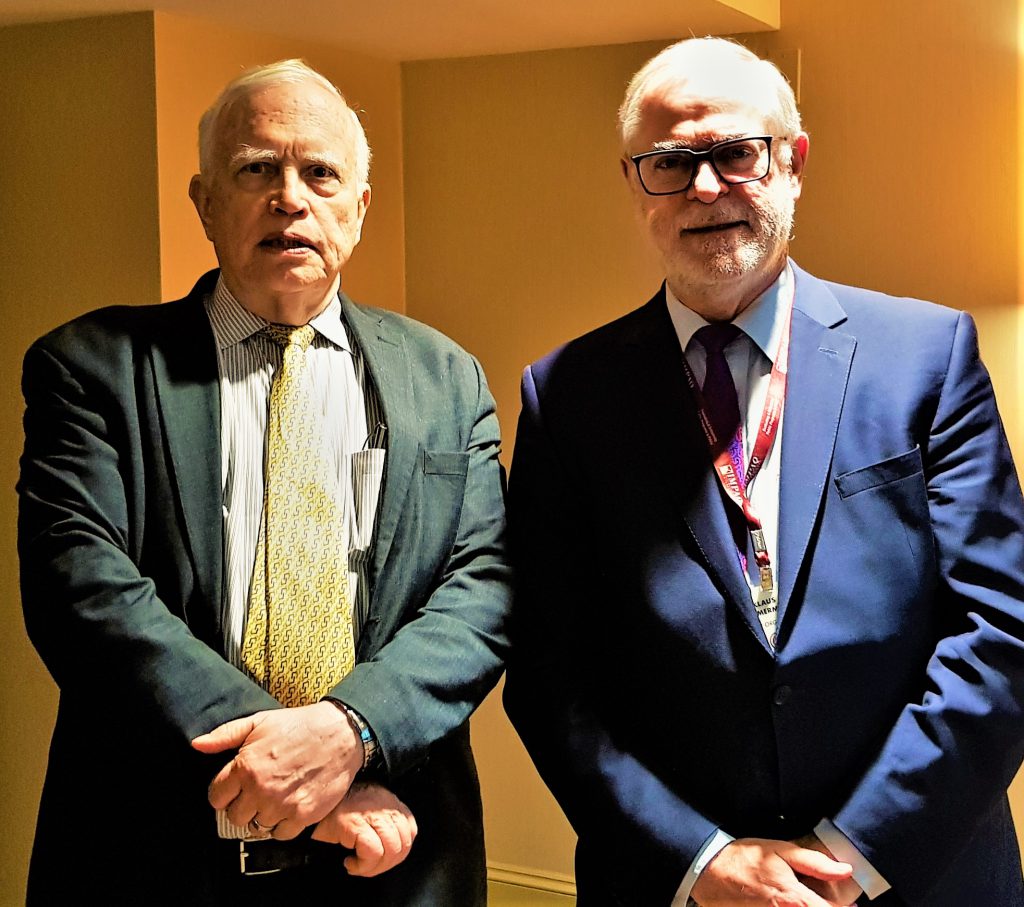
IESR Dean Shuaizhang Feng(Jinan University), also an Editor of the Journal of Population Economics will open the event as the host. Editor-in-Chief and GLO President Klaus F. Zimmermann will introduce the award; and Nobel Prize Winner Jim Heckman (University of Chicago), also an Associate Editor of the Journal, will present the award certificates to the three authors.
The article: Gautam Hazarika, Chandan Kumar & Sudipta Sarangi: (please click title for FREE READ LINK) “Ancestral ecological endowments and missing women“ Journal of Population Economics, Vol. 32 (2019), Issue 4 (October), pp. 1101-1123.
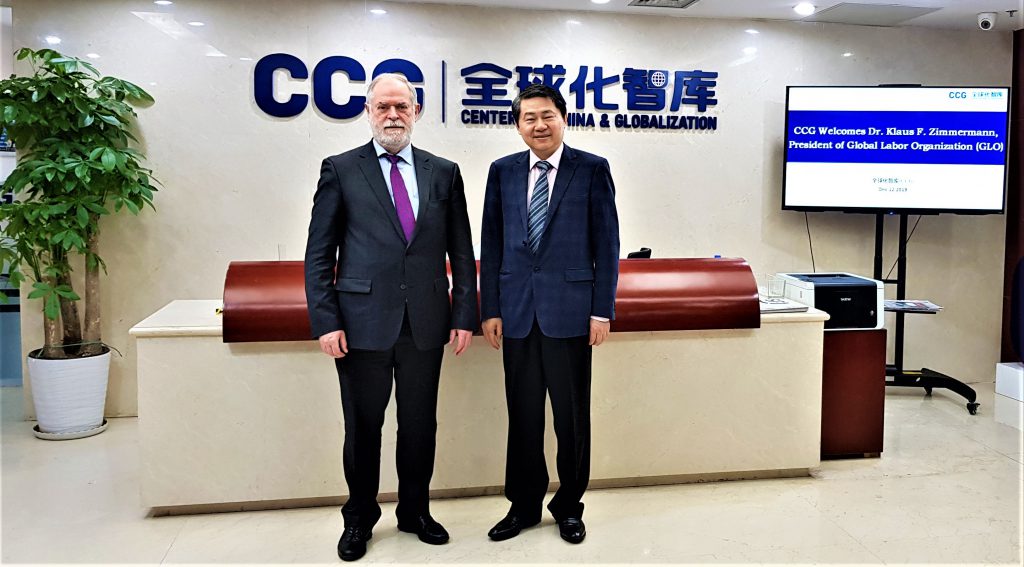
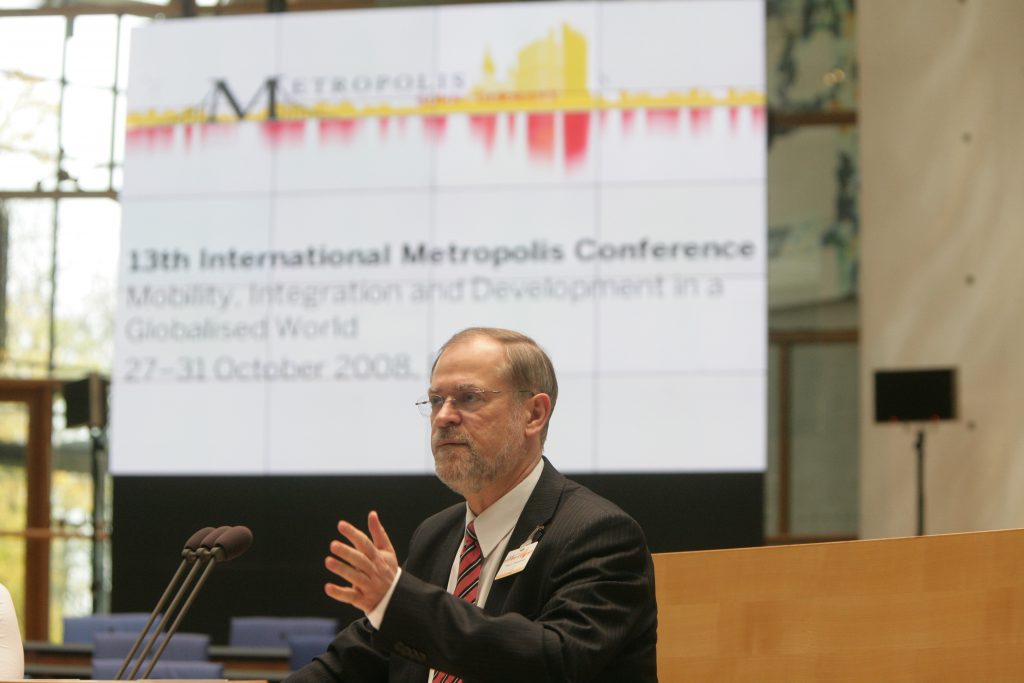
The Center for China and Globalization (CCG) has joined the institutions supporting the Global Labor Organization (GLO). This was agreed during a recent visit of GLO President Klaus F. Zimmermann at CCG with CCG President Henry Wang. Wang, who is also a GLO Fellow,and Zimmermann have collaborated in the past over a long period. GLO will support the 2020 International Conference on Global Migration and Talent Mobility, CCG is organizing in Beijing on June 12-14, 2020 together with Metropolis China and Metropolis Asia. Zimmermann was the local organizer of the 2008 International Metropolis Conference in Bonn.
The Center for China and Globalization (CCG) is a leading Chinese non-government think tank based in Beijing. It is dedicated to the study of Chinese public policy and globalization. CCG’s research agenda centers on China’s growing role in the world, drawing from issues of global governance, global trade and investment, global migration, international relations, and other topics pertaining to regional and global development. CCG is a not-for-profit and non-governmental organization registered with the civil affairs system of Chinese authorities. It is independently funded by research grants and donations from private and corporate donors. For years, CCG has been ranked by the Think Tank and Civil Society Program (TTCSP) at University of Pennsylvania as one of the world’s top 50 independent think tanks.
Zimmermann with CCG President Henry Wang on December 12, 2019
Left: CCG-GLO collaboration discussions at the CCG headquarter on December 12, 2019 Right: Zimmermann speaking at the 2008 Metropolis conference in Bonn.
Junsen Zhang( Chinese University of Hong Kong) has been one of the editors of the Journal of Population Economicssince 2001. After 19 years of dedicated work he moves on to work as one of the co-editors of the Journal of Human Resources. To enable a smooth transition, his position was already filled earlier this year by appointing Shuaizhang Feng (Jinan University). The whole editorial team is very grateful for the strong and very successful collaboration with Junsen Zhang for nearly two decades and wish him all the best for his future. Although he leaves his position on December 31 this year, the editorial team still looks forward to further collaborations with him. Alessandro Cigno(University of Florence) and Oded Galor (Brown University) remain in their positions as editors. Editor-in-Chief Klaus F. Zimmermann thanked Junsen Zhang for his inspiring and effective work which helped significantly to establish the high reputation and impact the Journal has today. Zimmermann expressed also his gratefulness for a long-term friendship and the insightful advice he received from him over the years.
On this occasion, we publish an interview with Junsen Zhang on journal editing.
Question: What motivates a productive researcher like you to act as a journal editor? Junsen Zhang: I view it as a social responsibility with an honor.
Question: What is your current research focus and how does this relates to your editorial role? Junsen Zhang: Family economics. I have been handling submissions related to that, especially with applications to China.
Question: Is the profession publishing too much? Junsen Zhang: To the extent that many papers are not highly cited, perhaps the economics profession is publishing too much. But ex ante, we are not very sure which papers would be highly cited, so we need to publish more. Also, the rejection rates for most economics journals are still extremely high. Thus, overall, I do not think the publishing amount is excessive.
Question: What makes in your view a good academic journal? Junsen Zhang: Good editors to have sound judgement on high quality, impactful research, and a fast review and publication process.
Question: What are the current trends in the journal business? Junsen Zhang: More evidence-based research with good theoretical or conceptual underpinning, moving away from lengthy papers, and fast turnaround.
With GLO FellowJunsen Zhang spoke Klaus F. Zimmermann, GLO President & Editor-in-Chief of the Journal of Population Economics.
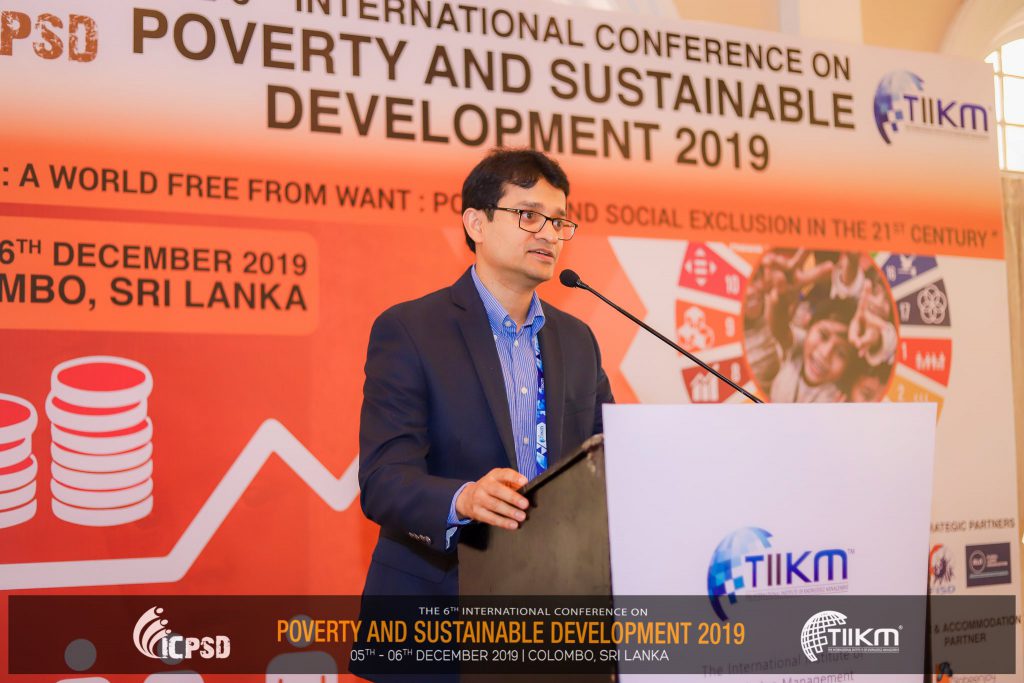
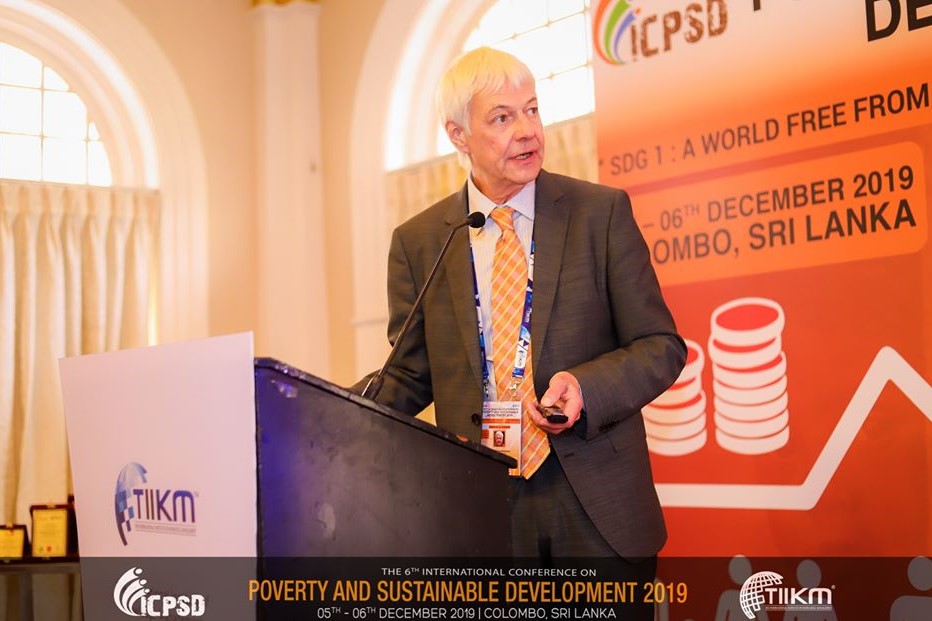
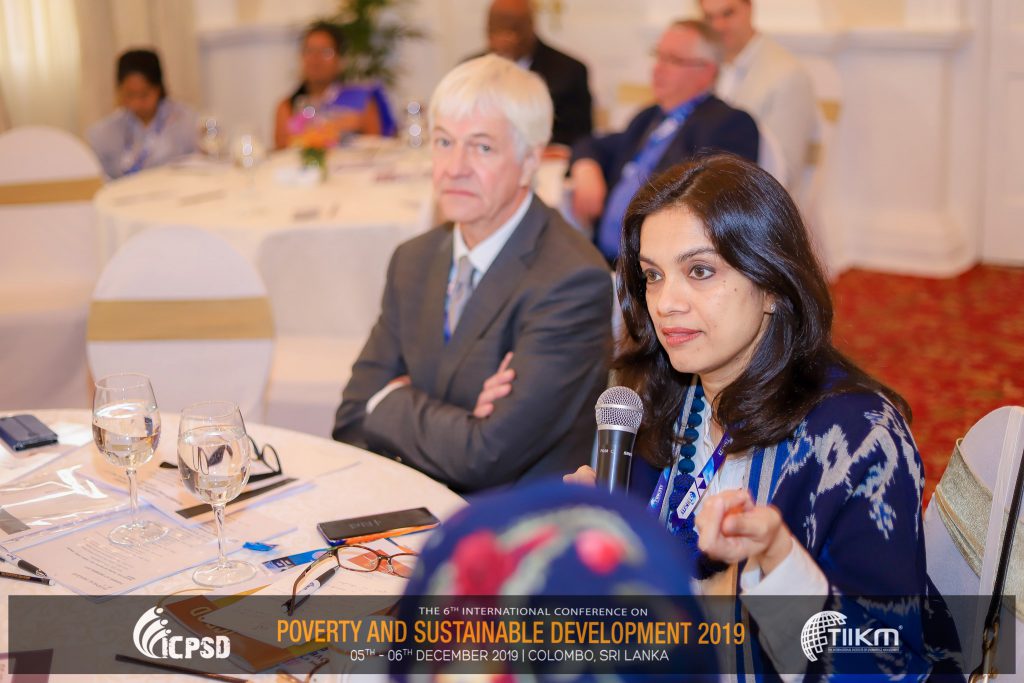
GLO Southeast Asia Lead, Professor Niaz Asadullah of the University of Malaya, Malaysia, delivered the keynote lecture on “Ending Global Poverty by 2030: Progress and challenges”.
The other keynote speaker was Dr. Peter Abrahamson, a Professor of Sociology from the University of Copenhagen, Denmark. Dr. Abrahamson spoke on “Leaving Nobody Behind: Poverty and Social Exclusion in the 21st Century”.
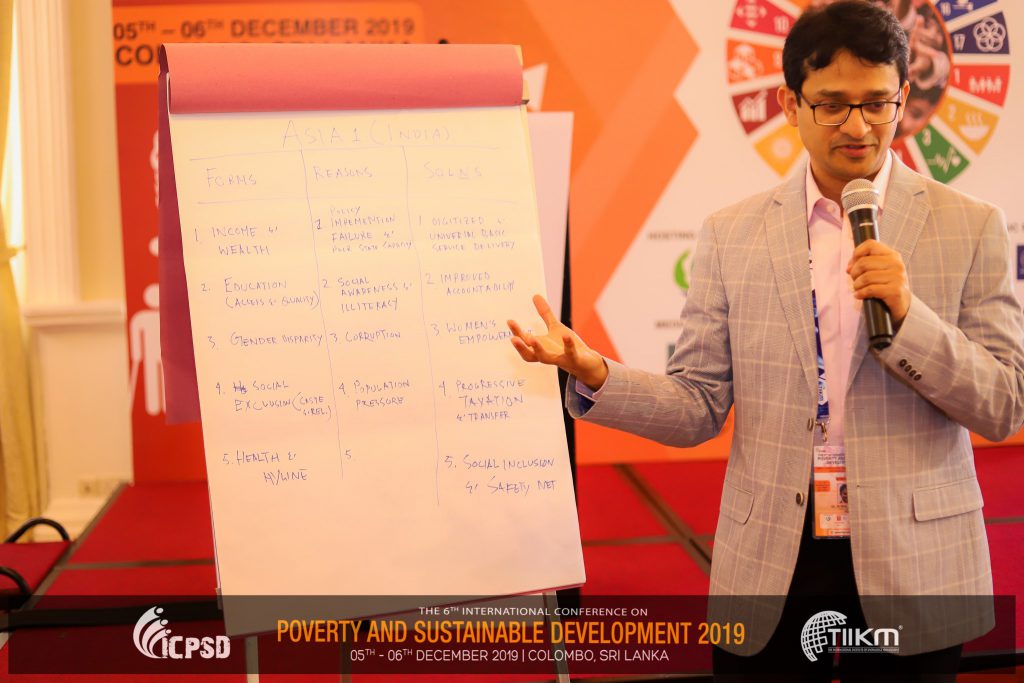
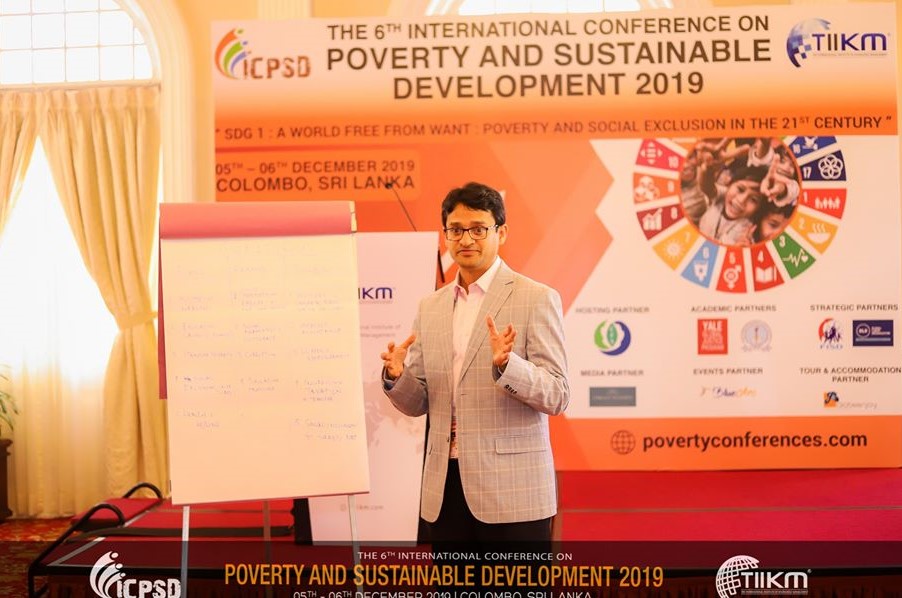
The conference provided a great platform for researchers, academics, scholars, and educators from across the world to share their research findings on issues relating to poverty, labor and sustainable development. Presentations were organized in multiple technical sessions under the following themes: (i) FOCUSING ON OUTCOMES (ii) MEASURING POVERTY AND SOCIAL EXCLUSION, and (iii) GENERAL ISSUES REGARDING POVERTY AND SOCIAL EXCLUSION.
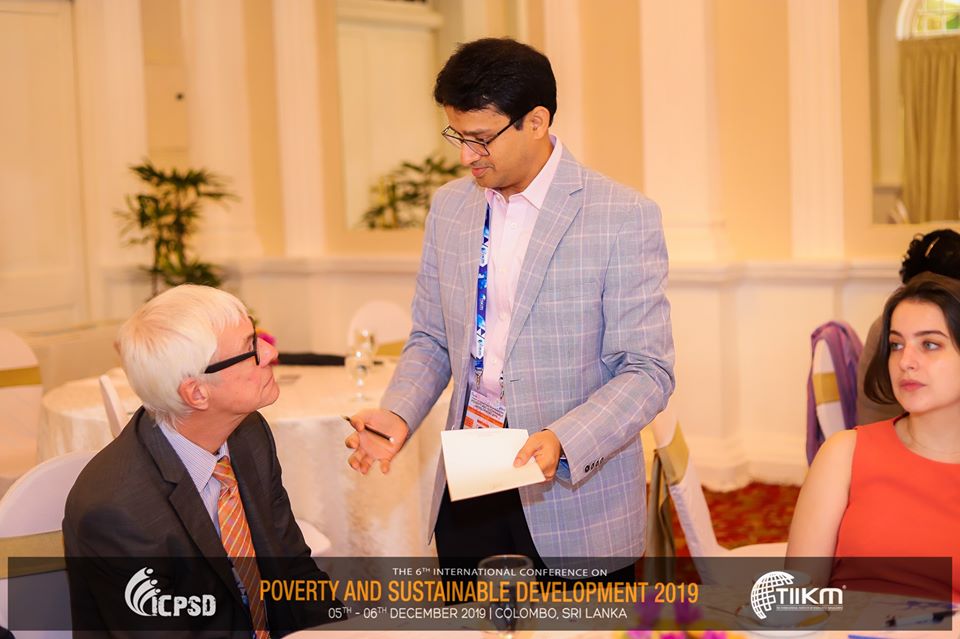
For young researchers, ICPSD hosted an intensive and interactive journalpublication workshop where participants received first hand tips on writing scientific papers and scholarly publications. Workshop was led by Dr. Peter Abrahamson and Professor Niaz Asadullah. Both shared their experience as editors of different social sciences SSCI journals.
The conference ended on 6 December with a Round Table discussion on “Eliminating the Inequality Gap: Driving the World for Sustainable Development”. All participants were required to prepare a plan of action for inequality reduction in their respective region and contrast this other each other. This lively session was moderated by the conference co-chair Dr. PeterAbrahamson and Professor Niaz Asadullah.
The conference was a huge success and provided a refreshing experience for young researchers from Southeast Asia to interact with senior scholars and share their research findings on an international platform. GLO looks forward to partnering with TIIKM and other organizers for similar events in the region in 2020.
Keynote speakers: GLO Southeast Asia LeadNiaz Asadullah (left) and PeterAbrahamson
Professor Asadullah moderating the session on inequality reduction
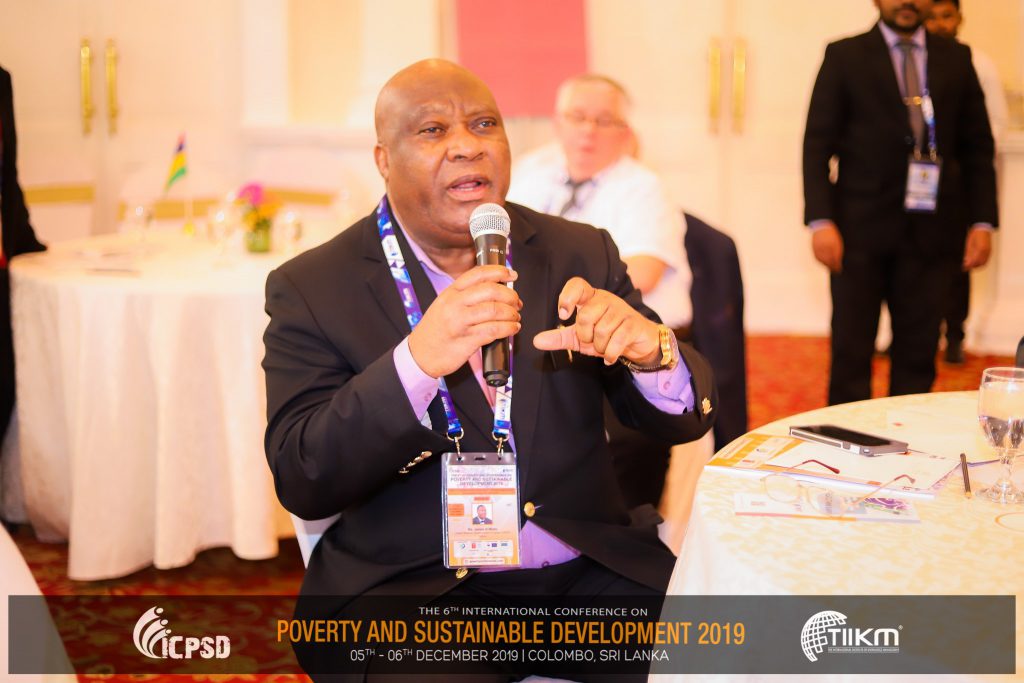
Debate: From the left: Professors Abrahamson & Asadullah ; Anthropologist Professor Samia Huq of BRAC University ; and Dr J N Mbata of UNDP, Malawi.
Dear GLO Members and Friends: Season’s Greetings, happy holidays and a healthy & successful New Year 2020! Many thanks for the large support GLO has experienced in 2019 from you!
In the spirit of the GLO Mission, the GLO VirtYS program’s goal is to contribute to the development of the future generation of researchers, who are committed to the creation of policy-relevant research, are well equipped to work in collaboration with policy makers and other stakeholders, and adhere to the highest standards of academic integrity. This goal is achieved through the process of working on a specific research paper within the duration of the program, which is 9 months, and interact with the GLO VirtYS cohort and advisors.
Under the leadership of GLO VirtYS Program Director Olena Nizalova, the participants have virtually met with GLO officials and advisors on November 15 for a warm welcome and first interactions.
Olena Nizalova
From a large number of excellent applications 7 participants were chosen, many more than the originally planned 3-5.
Ömer Tuğsal Doruk (advisor: Francesco Pastore; GLO cluster: School-to-Work Transition)
Under political pressure of the Hungarian Government, the Central European University (CEU) has left this year Budapest for Vienna. Leaving behind a wonderful and perfect infrastructure, the university has found an attractive new place in Austria’s capital. The matter represents an important chapter in the global fight for academic freedom and evidence-based policy-making. The Global Labor Organization (GLO) had early on first followed and later on reflected the issue, always supportingCEU‘s case. CEU’s Martin Kahanec gave GLO’s Klaus F. Zimmermann an interview about the current state of this development.
Martin Kahanec, a prominent European economist, is currently Mercator Senior Visiting Fellow at Bruegel, Brussels, and was just selected by the Board of Trustees of Academia Europaea, the European Academy of Humanities, Letters and Sciences, as a member of its Section Committee of Economics, Business and Management Sciences. He is a Professor and former Acting Dean (2017-2019) of the School of Public Policy at the CEU. He is also Founder and Scientific Director of CELSI, Bratislava, a GLO Fellow, and a former Chairperson of the Slovak Economic Association (2016-2018).
Klaus F. Zimmermann is the GLO President, and has been the George Soros Chair at the School of Public Policy, in Spring 2019 in Budapest. Kahanec and Zimmermann have worked and published together over a longer period.
GLO: What can we learn from the CEU experience for academic freedom?
Kahanec: Let me mention three key lessons from this experience. First, never take freedom, and academic freedom in particular, for granted. Second, do not rely on politicians for its protection, it has become just one of the many tokens they are playing with. And there are many tokens they value more, such as political support in the European Parliament, or a military deal. Even worse, for some types of politicians an attack on an academic institution wins voters’ support. Third, we might lose a battle or two, but we will prevail as long as we do not give up nurturing and defending academic freedom. Free, open societies provide for innovation, critical thinking, and the pursuit of happiness and prosperity, and as such are more competitive and prevail in the long run.
GLO: How will this affect academic capacity building in Eastern Europe?
Kahanec: As the Hungarian government is trying to convince the general public that the expulsion of CEU is not a loss for Hungary, it downplays its academic excellence and invests in domestic capacity building – but including pro-Orban institutions only. It also facilitates the opening of branches of foreign schools – from carefully selected countries – in Hungary. For example, PM Orban recently personally supported the opening of Shanghai’s Fudan University campus and an elementary and high school connected to Turkish President Erdogan in Budapest.
But many of the
prominent academics are leaving Hungary and yet more will decide not to come or
return to, or cooperate with, Hungary. As many prominent Hungarian academics
realized early on, the attack on academic freedom was not to be confined to CEU
– it has affected the Hungarian Academy of Sciences and many Hungarian
universities. In the long run, this will be a huge blow to the Hungarian
academe. As the attack on CEU in several ways follows the script already
applied in Russia and Turkey, it is clear there are negative spillovers. How
the contagion will spread to the rest of Europe will also depend on how the
European political elites will respond. So far they have a worryingly poor track
record.
GLO: Will there be a chance for CEU to return back?
Kahanec: We are determined not to abandon Hungary and keep the Budapest campus. We will use it for non-teaching activities. As for our degree programs, my personal opinion is ‘never say never’.
GLO: How supportive is the EU and its Commission for CEU?
Kahanec: Some attempts to save CEU have been made, but they all have been eventually utterly ineffective. The EU has very limited instruments to protect democracy and freedom, let alone academic freedom, in its member states. The EU treaties did not really foresee, let alone provide safeguards against, rogue governments in its member states.
GLO: How well can CEU adjust in Vienna?
Kahanec: This will not be trivial, but we take this crisis as an opportunity to reinvent the university and to update its mission in order to even more strongly respond to the deep challenges societies around the globe are facing. We are opening new programs in Vienna, and I am proud to have stood, as the dean of CEU’s School of Public Policy, at the cradle of the new Masters’ program in International Public Affairs – the first graduate degree program that Central European University accredited in Austria to establish CEU in its new home in Vienna. And I must say, I am deeply impressed by, and grateful for the support from Austrian academics and institutions. There will be many challenges, but I am confidently looking forward to CEU’s future in Austria.
A new GLO Discussion Paperis providing evidence that heterogeneity in populism does not follow a left/right divide.
The Global Labor Organization (GLO) is an independent, non-partisan and non-governmental organization that functions as an international network and virtual platform to stimulate global research, debate and collaboration.
Author Abstract: We present an exploratory machine learning analysis of populist votes at municipality level in the 2018 Italian general elections, in which populist parties gained almost 50% of the votes. Starting from a comprehensive set of local characteristics, we use an algorithm based on BIC to obtain a reduced set of predictors for each of the two populist parties (Five-Star Movement and Lega) and the two traditional ones (Democratic Party and Forza Italia). Differences and similarities between the sets of predictors further provide evidence on 1) heterogeneity in populisms, 2) if this heterogeneity is related to the traditional left/right divide. The Five-Star Movement is stronger in larger and unsafer municipalities, where people are younger, more unemployed and work more in services. On the contrary, Lega thrives in smaller and safer municipalities, where people are less educated and employed more in manufacturing and commerce. These differences do not correspond to differences between the Democratic Party and Forza Italia, providing evidence that heterogeneity in populism does not correspond to a left/right divide. As robustness tests, we use an alternative machine learning technique (lasso) and apply our predictions to France as to confront them with candidates’ actual votes in 2017 presidential elections.
A new GLO Discussion Paper firstly measures poverty among refugees.
The Global Labor Organization (GLO) is an independent, non-partisan and non-governmental organization that functions as an international network and virtual platform to stimulate global research, debate and collaboration.
Author Abstract: The increasing growth of forced displacement worldwide has led to the stronger interest of various stakeholders in measuring poverty among refugee populations. However, refugee data remain scarce, particularly in relation to the measurement of income, consumption, or expenditure. This paper offers a first attempt to measure poverty among refugees using cross-survey imputations and administrative and survey data collected by the United Nations High Commissioner for Refugees in Jordan. Employing a small number of predictors currently available in the United Nations High Commissioner for Refugees registration system, the proposed methodology offers out-of-sample predicted poverty rates. These estimates are not statistically different from the actual poverty rates. The estimates are robust to different poverty lines, they are more accurate than those based on asset indexes or proxy means tests, and they perform well according to targeting indicators. They can also be obtained with relatively small samples. Despite these preliminary encouraging results, it is essential to replicate this experiment across countries using different data sets and welfare aggregates before validating the proposed method.
A new GLO Discussion Paper shows that in Portugal employee representatives foster firm performance through increased training of workers.
The Global Labor Organization (GLO) is an independent, non-partisan and non-governmental organization that functions as an international network and virtual platform to stimulate global research, debate and collaboration.
Author Abstract: Employee representatives in firms are a potentially key but not yet studied source of the impact of unions and works councils. Their actions can shape multiple drivers of firm performance, including collective bargaining, strikes, and training. This paper examines the impact of union rep mandates by exploiting legal membership thresholds present in many countries. In the case of Portugal, which we examine here, while firms employing up to 49 union members are required to have one union rep, this increases to two (three) union reps for firms with 50 to 99 (100-199) union members. Drawing on matched employer- employee data on the unionized sector and regression discontinuity methods, we find that a one percentage point increase in the legal union rep/members ratio leads to an increase in firm performance of at least 7%. This result generally holds across multiple dimensions of firm performance and appears to be driven by increased training. However, we find no effects of union reps on firm-level wages, given the predominance of sectoral collective bargaining.
A new GLO Discussion Paper shows that the China-drivenfall in IT prices has increased the demand for high wage occupations and reduced the demand for low wage occupations.
The Global Labor Organization (GLO) is an independent, non-partisan and non-governmental organization that functions as an international network and virtual platform to stimulate global research, debate and collaboration.
Author Abstract: I use data from the World Input-Output Database and show that trade in information technologies (IT) has a significant contribution to the growth in foreign intermediate goods in 2001-2014 period. China has become one of the major foreign suppliers of IT and has strongly contributed to the rise in trade in IT. The growth in IT imports from China is associated with lower IT prices in sample European countries. The fall in IT prices has increased the demand for high wage occupations and reduced the demand for low wage occupations. From 20 to 95 percent of the variation in the demand for occupations stemming from the fall in IT prices can be attributed to the trade with China.
Gautam Hazarika (University of Texas Rio Grande Valley), Chandan Kumar Jha (Le Moyne College, Madden School of Business), and Sudipta Sarangi (Virginia Tech) will receive the 2020 Kuznets Prize for their article (please click title for FREE READ LINK)
which was published in the Journal of Population Economics (2019), 32(4), pp. 1101-1123. The annual prize honors the best article published in the Journal of Population Economics.
The award will be given to the authors during the ASSA 2020 meeting in San Diego, USA, at a reception on Friday, Jan. 3, 2020, 6:00 PM – 8:00 PM, at the Marriott Marquis San Diego, Coronado Room, hosted by the Institute for Economic and Social Research (IESR) of Jinan University.
Biographical Abstracts
Gautam Hazarika is presently Associate Professor of Economics at
The University of Texas Rio Grande Valley, the newest branch of the University
of Texas system. He completed his undergraduate education at the University of
Delhi’s St. Stephen’s College, and his Ph.D. at the University of Rochester. His
research has spanned labor and development economics. He is presently conducting
research in economic anthropology. Dr. Hazarika’s research has appeared in such
journals as American Journal of
Agricultural Economics, Review of
Income and Wealth, the Journal of
Development Studies, and, recently, the Journal
of Population Economics.
Chandan Kumar Jha is an Assistant Professor of
Finance at the Madden School of Business, Le Moyne College. He holds a Ph.D.
and an M.S. from Louisiana State University. His research interests lie in the
areas of economic growth and development, political economy, and finance and
development. His current research topics include corruption, gender inequality,
financial risk, and economic and financial reforms. He has published several
research articles in many reputed journals such as the Journal of Economic Behavior &
Organization, the Journal of Population Economics, International Review of
Finance, and Information
Economics and Policy.
Sudipta Sarangi is currently
Department Head and Professor of Economics at Virginia Polytechnic Institute
and State University. His research interests range from network theory to
development economics. He studies how gender differences affect economic
activity, as well as the origins of gender inequality. His work on networks
focuses on the strategic formation of social and economic networks and how
participation in multiple networks affects social outcomes. He is a research
associate of DIW Berlin, GATE, University of Lyon-St. Etienne and the Lima
School of Economics. He serves on the editorial boards of Journal of
Economic Behavior and Organization, Journal of Public Economic Theory
and Studies in Microeconomics.
Hazarika
Jha
Sarangi
Abstract of the Winning Paper
“This paper examines the relationship between
ecological endowments in antiquity and contemporary female to male sex ratios
in the population. It is found that there are proportionately more missing
women in countries whose ancestral ecological endowments were poorer. This
relationship is shown to be strong even after ancestral plough use, the timing
of the Neolithic Transition, and many other potentially confounding factors are
controlled for. Similar results are also obtained using district-level data
from India.”
About the Kuznets Prize
The Journal of Population Economics awards the ‘Kuznets Prize’ for the best paper published in the Journal of Population Economicsin the previous year. Starting from 2014 the Prize has been awarded annually. Papers are judged by the Editors of the Journal.
Simon Kuznets, a pioneer in population economics, Professor Emeritus at Harvard University and the 1971 Nobel Prize laureate in economics, died on July 10, 1985. Professor Kuznets was born 1901 in Pinsk, Belarus, and came to the United States in 1922. He earned his Bachelor of Science in 1923, a Master of Arts degree in 1924 and his doctorate in 1926, all from Columbia University. During World War II he was Associate Director of the Bureau of Planning and Statistics on the War Production Board, and he served on the staff of the National Bureau of Economic Research from 1927 to 1960. Mr. Kuznets was a faculty member at the University of Pennsylvania for 24 years and Professor of Political Economy at Johns Hopkins University from 1954 until he joined Harvard University in 1960. He retired in 1971 and was given the title of George F. Baker Professor Emeritus of Economics. He was a former president of the American Economic Association and the American Statistical Association.
Previous Winners
The Kuznets Prize (please click titles for READ LINKS FOR FREE) has previously been awarded to:
2016: Loren Brandt (University of Toronto), Aloysius Siow (University of Toronto), and Hui Wang (Peking University) for their article “Compensating for unequal parental investments in schooling,” Journal of Population Economics 28: 423-462.
Period 2010-2012: Richard W. Evans (Brigham Young University), Yingyao Hu (Johns Hopkins University) and Zhong Zhao (Renmin University) for their article “The fertility effect of catastrophe: US hurricane births“, Journal of Population Economics 23: 1-36.